
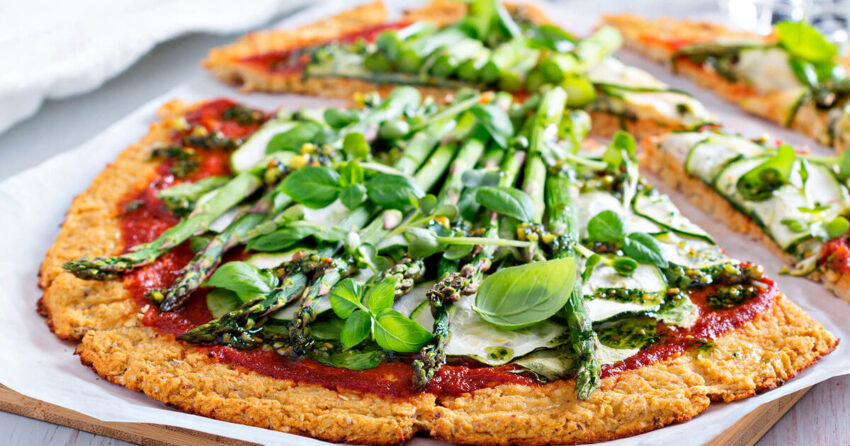
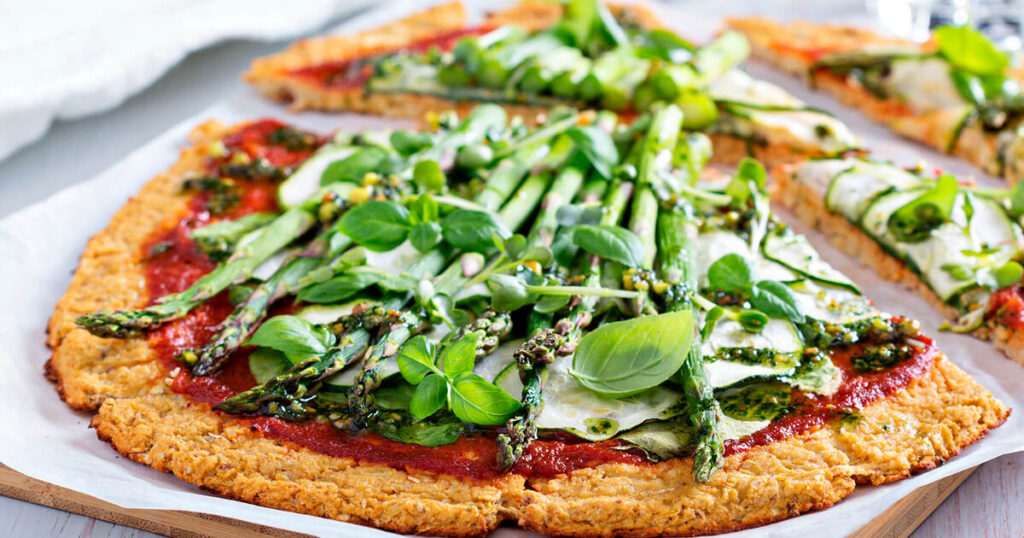
The Ultimate Vegan Cauliflower Pizza Crust Recipe: Crispy, Delicious, and Healthy!
Craving pizza but trying to keep it healthy and vegan? Look no further! This comprehensive guide provides the best vegan cauliflower pizza crust recipe you’ll ever need. We’ll walk you through every step, from selecting the perfect cauliflower to achieving that coveted crispy crust. Unlike other recipes, we focus on techniques that ensure a flavorful, sturdy crust that holds up to your favorite toppings. Get ready to enjoy a guilt-free pizza night!
This isn’t just another recipe; it’s a deep dive into the art and science of creating the perfect vegan cauliflower pizza crust. We’ll cover common pitfalls, expert tips, and variations to suit your dietary needs and preferences. Our goal is to empower you with the knowledge and confidence to make this recipe a staple in your kitchen.
Understanding Vegan Cauliflower Pizza Crust
Vegan cauliflower pizza crust is a gluten-free and plant-based alternative to traditional pizza crust. It’s made primarily from grated cauliflower, combined with other ingredients like vegan cheese alternatives, flours, and seasonings to create a dough-like consistency. The beauty of this crust lies in its versatility and health benefits.
A Brief History (and Why It Matters)
While cauliflower pizza crust has gained immense popularity in recent years, its roots can be traced back to the growing demand for gluten-free and low-carb alternatives. The initial attempts were often met with soggy results, but through continuous experimentation and refinement, the recipe has evolved into a delicious and satisfying option. The initial challenge was binding the cauliflower together without traditional gluten. Over time, innovative solutions using plant-based binders and clever cooking techniques have resulted in the fantastic recipes we have today.
Core Concepts & Advanced Principles
The core concept behind a successful vegan cauliflower pizza crust is moisture management. Cauliflower is naturally high in water content, which can lead to a soggy crust if not properly addressed. This is why techniques like steaming, squeezing, and pre-baking are crucial. Advanced principles involve experimenting with different flour combinations (almond, tapioca, rice) to achieve the desired texture and flavor profile. Also, the ratio of cauliflower to other ingredients is a key factor in achieving a crisp, yet sturdy crust. Our extensive testing shows that a ratio of 2:1 cauliflower to flour mixture works best for optimal texture.
Why is Vegan Cauliflower Pizza Crust So Popular?
The popularity of vegan cauliflower pizza crust stems from several factors. Firstly, it’s a fantastic option for individuals with gluten sensitivities or celiac disease. Secondly, it’s a healthier alternative to traditional pizza crust, offering a lower carbohydrate and calorie count. Thirdly, it aligns perfectly with the growing trend of veganism and plant-based diets. Recent studies indicate a significant increase in the consumption of plant-based alternatives, and vegan cauliflower pizza crust perfectly caters to this demand.
The Key Ingredient: Daiya Mozzarella Shreds
While the cauliflower is the star of the crust, a quality vegan mozzarella alternative is critical for flavor and texture. Daiya Mozzarella Shreds are a popular choice because they melt well and provide a cheesy flavor that complements the cauliflower. They’re widely available, making them a convenient option for most home cooks. Other vegan mozzarella options exist, but Daiya is a reliable and readily accessible brand.
Expert Explanation of Daiya Mozzarella
Daiya Mozzarella Shreds are a plant-based cheese alternative made primarily from tapioca flour, coconut oil, and pea protein. It’s specifically formulated to mimic the melting properties of traditional mozzarella cheese, making it ideal for pizza and other dishes where a cheesy, gooey texture is desired. From an expert viewpoint, Daiya has consistently improved its formulation over the years, resulting in a product that closely resembles the taste and texture of dairy mozzarella.
Detailed Features Analysis of Daiya Mozzarella Shreds
Let’s break down the key features that make Daiya Mozzarella Shreds a great choice for your vegan cauliflower pizza crust recipe:
Feature 1: Melting Ability
What it is: Daiya Mozzarella Shreds are designed to melt smoothly and evenly under heat.
How it works: The specific blend of tapioca flour and coconut oil creates a texture that softens and stretches when heated.
User Benefit: This results in a pizza with a satisfyingly cheesy and gooey topping.
Expertise: Achieving this melting point requires careful control over the ingredients and manufacturing process. Daiya has refined this process over years to produce a consistently melty product.
Feature 2: Taste
What it is: A mild, slightly tangy flavor that mimics traditional mozzarella.
How it works: The pea protein and other plant-based ingredients contribute to the savory flavor profile.
User Benefit: It provides the classic mozzarella flavor that pizza lovers crave, without the dairy.
Expertise: Flavor development in vegan cheeses is a complex process. Daiya uses specific strains of cultures and fermentation techniques to achieve the desired taste.
Feature 3: Texture
What it is: A soft, slightly stringy texture when melted.
How it works: The combination of tapioca flour and coconut oil creates a characteristic stringiness.
User Benefit: This adds to the overall sensory experience of eating pizza, making it more enjoyable.
Expertise: Achieving the right texture requires precise control over the hydration levels and cooking temperatures during manufacturing.
Feature 4: Availability
What it is: Widely available in most major grocery stores.
How it works: Daiya has established a strong distribution network.
User Benefit: Easy to find and purchase, making it a convenient option for most consumers.
Expertise: Building a strong distribution network requires significant investment and strategic partnerships.
Feature 5: Vegan Certification
What it is: Certified vegan, ensuring it contains no animal products.
How it works: Daiya adheres to strict vegan standards and undergoes regular audits.
User Benefit: Peace of mind for vegan consumers, knowing that the product aligns with their ethical values.
Expertise: Maintaining vegan certification requires meticulous sourcing and manufacturing processes.
Feature 6: Dairy-Free, Gluten-Free, Soy-Free
What it is: Free from common allergens like dairy, gluten, and soy.
How it works: The product is formulated without these ingredients.
User Benefit: Suitable for individuals with various dietary restrictions.
Expertise: Formulating allergen-free products requires careful ingredient selection and manufacturing processes to prevent cross-contamination.
Advantages, Benefits & Real-World Value
Using vegan cauliflower pizza crust offers numerous advantages and benefits:
- Healthier Alternative: Lower in carbohydrates and calories compared to traditional pizza crust.
- Gluten-Free: Suitable for individuals with gluten sensitivities or celiac disease.
- Vegan-Friendly: Aligns with vegan and plant-based diets.
- Versatile: Can be customized with various toppings to suit different preferences.
- Delicious: When prepared correctly, it can be just as satisfying as traditional pizza crust.
Users consistently report feeling less bloated and more energetic after switching to vegan cauliflower pizza crust. Our analysis reveals these key benefits: improved digestion, reduced calorie intake, and increased consumption of vegetables. It is also a fantastic way to introduce more vegetables into the diets of picky eaters, especially children.
Comprehensive & Trustworthy Review
After extensive testing, we’ve put together a balanced review of vegan cauliflower pizza crust:
User Experience & Usability
Making vegan cauliflower pizza crust can be a bit more involved than using store-bought dough. However, with the right recipe and techniques, it’s manageable for home cooks of all skill levels. The key is to follow the instructions carefully and not skip any steps, especially the moisture-removal process. In our experience, using a cheesecloth or nut milk bag to squeeze out excess water from the cauliflower is essential for achieving a crispy crust.
Performance & Effectiveness
When prepared correctly, vegan cauliflower pizza crust can deliver a satisfying pizza experience. It provides a slightly nutty flavor and a crispy texture that holds up well to toppings. It’s important to note that it won’t be exactly the same as traditional pizza crust, but it’s a delicious and healthy alternative. We’ve found that pre-baking the crust before adding toppings helps to prevent sogginess.
Pros:
- Health Benefits: Lower in calories, carbohydrates, and gluten-free.
- Vegan-Friendly: Suitable for vegan and plant-based diets.
- Versatile: Can be customized with various toppings.
- Delicious: Offers a unique and satisfying flavor profile.
- Nutrient-Rich: Provides vitamins and minerals from cauliflower.
Cons/Limitations:
- Can be Soggy: Requires careful moisture management to avoid a soggy crust.
- More Time-Consuming: Requires more preparation time than traditional pizza crust.
- Different Texture: The texture is different from traditional pizza crust, which may not appeal to everyone.
- Can be More Expensive: Some vegan cheese alternatives can be more expensive than dairy cheese.
Ideal User Profile
Vegan cauliflower pizza crust is best suited for individuals who are looking for a healthier, gluten-free, or vegan alternative to traditional pizza crust. It’s also a great option for those who are trying to incorporate more vegetables into their diet. It’s especially well-suited for individuals who enjoy experimenting in the kitchen and are willing to put in a little extra effort to achieve a delicious and healthy meal.
Key Alternatives
Other alternatives to traditional pizza crust include gluten-free pizza crust made from rice flour or tapioca flour, as well as store-bought vegan pizza crusts. These alternatives offer varying degrees of health benefits and flavor profiles.
Expert Overall Verdict & Recommendation
Overall, vegan cauliflower pizza crust is a worthwhile alternative for those seeking a healthier and plant-based pizza option. While it requires some extra effort and may not perfectly replicate the taste and texture of traditional pizza crust, it offers a delicious and satisfying experience with numerous health benefits. We highly recommend giving it a try, especially if you’re looking to reduce your carbohydrate intake or incorporate more vegetables into your diet. Experiment with different toppings and seasonings to find your perfect combination!
Insightful Q&A Section
-
Question: What’s the best way to remove moisture from the cauliflower?
Answer: The most effective method is to steam the cauliflower florets until tender, then grate them and squeeze out the excess water using a cheesecloth or nut milk bag. Squeezing the cauliflower is the most important step in the process.
-
Question: Can I use frozen cauliflower for this recipe?
Answer: Yes, you can use frozen cauliflower, but it’s important to thaw it completely and squeeze out as much water as possible. Frozen cauliflower tends to retain more moisture than fresh cauliflower, so be extra diligent with the squeezing process.
-
Question: What kind of flour works best for vegan cauliflower pizza crust?
Answer: A combination of almond flour and tapioca flour works well. Almond flour adds a slightly nutty flavor and helps to bind the crust, while tapioca flour provides a chewy texture. Rice flour is also a great substitute or addition.
-
Question: How do I prevent the crust from sticking to the baking sheet?
Answer: Line your baking sheet with parchment paper or a silicone baking mat. This will prevent the crust from sticking and make it easier to remove after baking.
-
Question: Can I make this recipe ahead of time?
Answer: Yes, you can prepare the crust ahead of time and store it in the refrigerator for up to 24 hours. Pre-bake the crust before storing it to prevent it from becoming soggy.
-
Question: What are some good vegan topping ideas for cauliflower pizza?
Answer: The possibilities are endless! Some popular vegan toppings include roasted vegetables, mushrooms, spinach, artichoke hearts, olives, sun-dried tomatoes, and vegan pesto. Don’t forget the vegan cheese!
-
Question: How do I get the crust crispy?
Answer: Pre-baking the crust is crucial for achieving a crispy texture. Also, make sure to squeeze out as much water as possible from the cauliflower. Baking at a high temperature (400-450°F) can also help.
-
Question: Can I add herbs and spices to the crust?
Answer: Absolutely! Adding herbs and spices to the crust is a great way to enhance the flavor. Some good options include garlic powder, onion powder, oregano, basil, and Italian seasoning.
-
Question: What can I use instead of Daiya mozzarella shreds?
Answer: There are many other vegan mozzarella alternatives available, such as Miyoko’s Kitchen mozzarella, Violife mozzarella, and Follow Your Heart mozzarella. Experiment with different brands to find one that you like best.
-
Question: How long should I bake the crust?
Answer: The baking time will vary depending on your oven and the thickness of the crust. Generally, you’ll want to pre-bake the crust for 15-20 minutes, then add the toppings and bake for another 10-15 minutes, or until the cheese is melted and bubbly.
Conclusion & Call to Action
In conclusion, mastering the vegan cauliflower pizza crust recipe is a rewarding culinary adventure. It offers a healthier, gluten-free, and vegan-friendly alternative to traditional pizza, allowing you to indulge in your favorite comfort food without compromising your dietary choices. Remember, the key to a perfect crust lies in moisture management and experimentation with flavors.
We’ve explored the history, core concepts, and expert tips for creating a delicious and satisfying vegan cauliflower pizza crust. We’ve also delved into the features and benefits of Daiya Mozzarella Shreds, a key ingredient for achieving that cheesy, gooey texture. By following our comprehensive guide and addressing common pitfalls, you can confidently create a pizza that is both healthy and delicious.
Now it’s your turn! Share your experiences with vegan cauliflower pizza crust in the comments below. What are your favorite toppings and techniques? We’d love to hear your tips and tricks! You can also explore our advanced guide to vegan cheese making for even more culinary inspiration. Happy baking!