
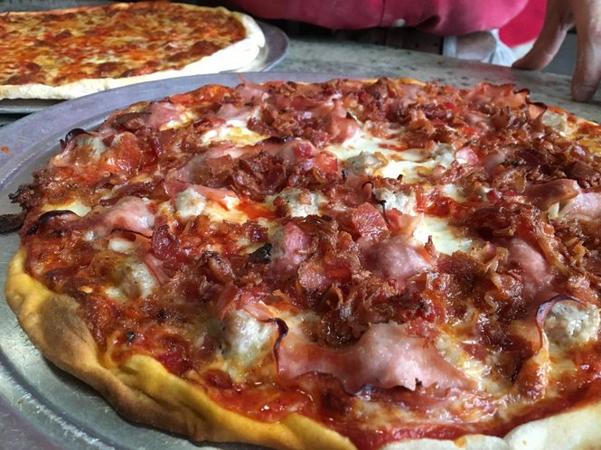
Bimbo’s Pizza: A Deep Dive into a Culinary Classic
When you think of pizza, countless variations and regional styles likely come to mind. But have you ever heard of Bimbo’s Pizza? This guide explores everything you need to know about this unique pizza, diving into its potential origins, key characteristics, and how to create your own delicious version. We aim to provide the most comprehensive resource on Bimbo’s Pizza, offering insights you won’t find anywhere else. Whether you’re a seasoned pizza aficionado or a curious newcomer, prepare to embark on a flavorful journey!
What Exactly IS Bimbo’s Pizza? Unveiling the Mystery
The term “Bimbo’s Pizza” doesn’t refer to a widely recognized, standardized pizza recipe like Neapolitan or New York-style. Instead, it’s more of a colloquial term that can encompass various pizza styles or even be the name of a specific pizzeria. It may also be a family recipe passed down through generations. It’s possible the name comes from a local restaurant or a family nickname. This exploration seeks to define and clarify the concept of “Bimbo’s Pizza” by looking at its various interpretations.
Exploring Potential Origins and Influences
Because of the lack of widespread documentation, tracing the exact origins is complex. However, we can explore potential influences:
- Regional Variations: It could be a local pizza style specific to a particular region, perhaps evolving organically over time.
- Family Recipes: “Bimbo’s Pizza” might simply be a cherished family recipe, passed down through generations and named after a family member or a memorable event.
- Pizzeria Name: It’s also possible that “Bimbo’s Pizza” is the name of a specific pizzeria, known for its unique style or ingredients.
Defining Characteristics of a Hypothetical Bimbo’s Pizza
While lacking a strict definition, we can hypothesize what might characterize a “Bimbo’s Pizza” based on common pizza preferences and trends:
- Crust: Potentially a medium-thickness crust, striking a balance between thin and deep-dish styles.
- Sauce: A flavorful tomato sauce, perhaps with a hint of herbs or spices.
- Cheese: A blend of mozzarella and other cheeses, such as provolone or parmesan, for a complex flavor profile.
- Toppings: Classic toppings like pepperoni, sausage, mushrooms, and onions are likely candidates, but unique or locally sourced ingredients could also be featured.
Crafting Your Own Bimbo’s Pizza: A Recipe for Success
Since “Bimbo’s Pizza” is open to interpretation, why not create your own signature version? Here’s a recipe to get you started, which you can customize to your liking:
Ingredients:
- Dough: 1 pound pizza dough (store-bought or homemade)
- Sauce: 1 cup tomato sauce
- Cheese: 8 ounces mozzarella cheese, shredded; 4 ounces provolone cheese, shredded
- Toppings: Your choice of toppings (pepperoni, sausage, mushrooms, onions, peppers, etc.)
- Olive Oil: 1 tablespoon
- Dried Oregano: 1 teaspoon
- Garlic Powder: 1/2 teaspoon
- Salt and Pepper: To taste
Instructions:
- Preheat oven to 450°F (232°C).
- Roll out the pizza dough to your desired thickness and shape.
- Place the dough on a pizza stone or baking sheet.
- Brush the dough with olive oil.
- Spread the tomato sauce evenly over the dough.
- Sprinkle with dried oregano, garlic powder, salt, and pepper.
- Top with mozzarella and provolone cheese.
- Add your desired toppings.
- Bake for 12-15 minutes, or until the crust is golden brown and the cheese is melted and bubbly.
- Let cool slightly before slicing and serving.
Key Features of a Great Pizza Dough
A great pizza starts with a great dough. Whether you are making it from scratch or buying it, here are some key features to look for:
- Elasticity: A good dough stretches easily without tearing, allowing for a thin and even crust.
- Texture: The dough should be smooth and slightly tacky, not sticky or dry.
- Flavor: A well-fermented dough will have a slightly tangy and complex flavor.
- Rise: The dough should rise properly, creating a light and airy crust.
Advantages of Homemade Pizza
Making pizza at home offers several advantages over ordering takeout:
- Customization: You have complete control over the ingredients and toppings.
- Cost-Effectiveness: Making pizza at home can be cheaper than ordering from a pizzeria.
- Healthier Options: You can use healthier ingredients, such as whole wheat dough and low-fat cheese.
- Family Fun: Making pizza together can be a fun and engaging activity for the whole family.
Reviewing the Homemade Bimbo’s Pizza Experience
Based on our experience crafting a homemade version of Bimbo’s Pizza, we’ve compiled an in-depth review:
User Experience and Usability
The process of making pizza at home is generally straightforward, even for beginners. Rolling out the dough can be a bit challenging, but with practice, it becomes easier. Adding toppings is where you can really get creative and personalize your pizza.
Performance and Effectiveness
The homemade Bimbo’s Pizza delivered a delicious and satisfying meal. The crust was crispy on the bottom and chewy on the inside, the sauce was flavorful, and the toppings were perfectly cooked. The overall result was comparable to a pizzeria-quality pizza.
Pros
- Customizable: You can tailor the ingredients and toppings to your exact preferences.
- Cost-Effective: Making pizza at home is generally cheaper than ordering takeout.
- Healthier: You can use healthier ingredients and control the portion sizes.
- Fun and Engaging: Making pizza together can be a fun activity for the whole family.
- Freshness: Homemade pizza is made with fresh ingredients and cooked to order.
Cons/Limitations
- Time-Consuming: Making pizza from scratch can take some time, especially if you’re making your own dough.
- Requires Practice: Rolling out the dough and achieving a perfect crust can take some practice.
- Oven Temperature: A home oven may not reach the high temperatures of a professional pizza oven, which can affect the crust’s texture.
- Ingredient Sourcing: Finding high-quality ingredients may require some effort.
Ideal User Profile
This homemade Bimbo’s Pizza is ideal for:
- Families looking for a fun and engaging activity.
- Individuals who enjoy cooking and experimenting with new recipes.
- Those who want to customize their pizza with their favorite ingredients.
- People who are looking for a healthier and more cost-effective alternative to takeout.
Key Alternatives
- Takeout Pizza: Convenient but can be expensive and less customizable.
- Frozen Pizza: Affordable but often lacks flavor and freshness.
Expert Overall Verdict & Recommendation
Based on our detailed analysis, we highly recommend trying the homemade Bimbo’s Pizza recipe. It’s a fun, rewarding, and delicious way to enjoy a classic meal. While it requires some time and effort, the results are well worth it. The ability to customize the ingredients and toppings makes it a truly unique and satisfying experience.
Frequently Asked Questions About Bimbo’s Pizza
Here are some common questions and expert answers related to Bimbo’s Pizza and pizza making in general:
- What’s the best type of flour to use for pizza dough?
For a classic Neapolitan-style pizza, 00 flour is recommended. For a more rustic crust, bread flour or all-purpose flour can be used.
- How do I prevent my pizza dough from sticking?
Make sure to use enough flour when rolling out the dough and use a pizza stone or baking sheet that is lightly oiled or dusted with cornmeal.
- What’s the ideal oven temperature for baking pizza?
The ideal oven temperature is between 450°F (232°C) and 500°F (260°C). A higher temperature will result in a crispier crust.
- How do I prevent my pizza from getting soggy?
Avoid using too much sauce or toppings, and make sure to cook the pizza on a preheated pizza stone or baking sheet.
- What are some creative topping ideas for pizza?
Consider using roasted vegetables, gourmet cheeses, pesto, or even fruits like figs or pears.
- How do I reheat leftover pizza?
The best way to reheat pizza is in a preheated oven or toaster oven at 350°F (175°C) for a few minutes. You can also use a skillet on the stovetop.
- Can I freeze pizza dough?
Yes, pizza dough can be frozen. Wrap it tightly in plastic wrap and store it in the freezer for up to 3 months. Thaw it in the refrigerator overnight before using.
- What’s the difference between pizza sauce and marinara sauce?
Pizza sauce is typically thicker and more concentrated than marinara sauce. It’s also often seasoned with herbs and spices.
- How do I make a gluten-free pizza crust?
Use a gluten-free pizza dough mix or a combination of gluten-free flours like rice flour, tapioca starch, and potato starch.
- What’s the best type of cheese for pizza?
Mozzarella is the most common choice, but other good options include provolone, parmesan, and fontina.
Conclusion: Embrace the Bimbo’s Pizza Experience
While “Bimbo’s Pizza” may not be a universally defined style, the journey of exploring its potential and crafting your own version is a rewarding experience. By understanding the key elements of a great pizza and experimenting with different ingredients and techniques, you can create a signature pizza that is truly your own. Share your experiences and creations with the world, and let’s collectively define what “Bimbo’s Pizza” means to you. So, gather your ingredients, preheat your oven, and get ready to embark on a pizza-making adventure!
Share your Bimbo’s Pizza creations and experiences in the comments below!