
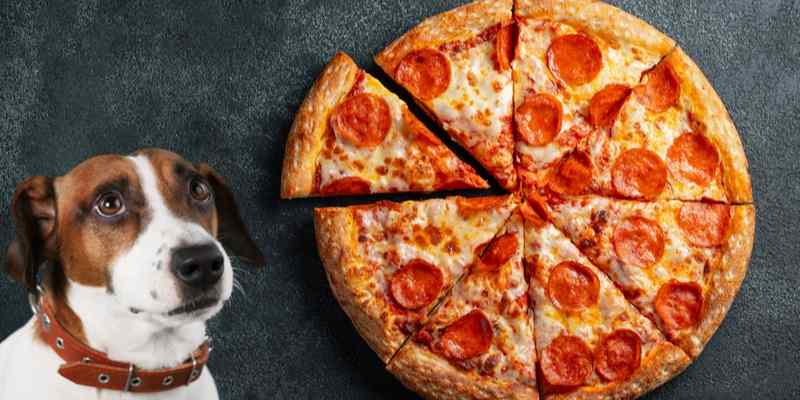
Can Dogs Have Pizza? Understanding the Risks and Safer Alternatives
The aroma of pizza – that cheesy, saucy goodness – is universally appealing, even to our canine companions. But before you share a slice with your furry friend, a crucial question arises: Can dogs have pizza? The short answer is generally no. While a tiny, crust-only nibble might not cause immediate harm, pizza contains numerous ingredients that can be detrimental, even toxic, to dogs. This article provides an in-depth exploration of the potential dangers, safer alternatives, and expert advice on keeping your dog healthy and happy. We aim to provide the most comprehensive resource available, empowering you to make informed decisions about your dog’s diet and avoid potential health problems. We draw upon years of experience working with canine nutrition and observing the effects of various human foods on dogs. This guide will cover everything from toxic ingredients to potential allergies, ensuring your dog’s well-being.
Why Pizza is Generally Bad for Dogs: A Deep Dive
Pizza, a staple in many human diets, is a complex food item containing a variety of ingredients. While seemingly harmless to us, these ingredients can pose significant health risks to dogs. It’s not just one single factor, but rather a combination of elements that make pizza a problematic food for canines.
Toxic Ingredients: The Primary Concern
The most significant danger lies in the presence of ingredients that are known to be toxic to dogs. Some of the most common culprits include:
- Onions and Garlic: These allium vegetables, present in many pizza sauces and toppings, contain compounds that can damage a dog’s red blood cells, leading to anemia. Even small amounts can be harmful, especially to smaller breeds.
- Garlic Powder: Often found in pizza dough and seasoning blends, garlic powder is just as dangerous as fresh garlic.
- Chocolate: While less common on traditional pizzas, dessert pizzas may contain chocolate, which contains theobromine, a toxic substance for dogs.
- Macadamia Nuts: Another less common but potential topping, macadamia nuts can cause weakness, tremors, and hyperthermia in dogs.
These ingredients are not just irritants; they can cause serious health complications requiring veterinary intervention. It’s crucial to be vigilant about these potential toxins.
High Fat Content: Digestive Distress and Pancreatitis
Pizza is typically high in fat, coming from cheese, meats (like pepperoni or sausage), and oils used in the dough and sauce. This high fat content can lead to several digestive issues in dogs:
- Digestive Upset: High-fat foods can cause vomiting, diarrhea, and abdominal discomfort in dogs.
- Pancreatitis: In more severe cases, excessive fat intake can trigger pancreatitis, a painful inflammation of the pancreas. Pancreatitis can be life-threatening and often requires hospitalization.
The fat content in even a small piece of pizza can overwhelm a dog’s digestive system, especially in breeds prone to digestive sensitivities.
High Sodium Content: Risk of Dehydration and More
Pizza is often loaded with sodium, primarily from the cheese, processed meats, and sauce. Excessive sodium intake can lead to:
- Dehydration: High sodium levels can draw water out of cells, leading to dehydration.
- Increased Thirst and Urination: Your dog may drink and urinate excessively to try to flush out the excess sodium.
- Sodium Ion Poisoning: In severe cases, extremely high sodium intake can cause sodium ion poisoning, leading to seizures, tremors, and even death.
Controlling sodium intake is crucial for a dog’s overall health, and pizza is a significant source of unnecessary sodium.
Dairy Intolerance and Allergies: A Common Issue
Many dogs are lactose intolerant or have dairy allergies. The cheese on pizza, being a dairy product, can cause:
- Gastrointestinal Issues: Lactose intolerance can result in diarrhea, vomiting, and gas.
- Allergic Reactions: Dairy allergies can manifest as skin irritation, itching, and ear infections.
If your dog has a known dairy sensitivity, feeding them pizza is almost guaranteed to trigger an adverse reaction.
Processed Ingredients and Additives: Unknown Risks
Pizza often contains a variety of processed ingredients and artificial additives, the long-term effects of which on dogs are not fully understood. These can include:
- Artificial Flavors and Colors: These additives can cause allergic reactions or sensitivities in some dogs.
- Preservatives: Preservatives can disrupt the gut microbiome and potentially lead to digestive issues.
- Dough Conditioners: Some dough conditioners can be harmful to dogs.
Minimizing processed foods in your dog’s diet is generally recommended to promote optimal health.
Safe Alternatives: What Can You Give Your Dog Instead of Pizza?
While sharing your favorite foods with your dog can be tempting, it’s essential to prioritize their health and safety. Fortunately, there are plenty of healthy and delicious alternatives to pizza that your dog will love.
Dog-Friendly Pizza Alternatives
You can create a dog-friendly “pizza” using safe and nutritious ingredients:
- Base: Use a base of whole wheat pita bread or a homemade crust made with dog-safe ingredients like oat flour and water.
- Sauce: Pureed, unsalted pumpkin or tomato sauce (without onions or garlic) can serve as a base.
- Toppings: Opt for dog-friendly toppings like cooked chicken, lean ground beef, chopped carrots, broccoli, or bell peppers.
- Cheese: A small amount of low-fat mozzarella cheese can be used sparingly, but avoid cheese altogether if your dog is lactose intolerant.
Healthy Treats and Snacks
A variety of commercially available dog treats offer a safe and satisfying alternative to human food:
- Training Treats: Small, low-calorie treats are perfect for rewarding good behavior.
- Dental Chews: These treats help clean teeth and freshen breath.
- Fruits and Vegetables: Many fruits and vegetables, such as carrots, apples (without seeds), and blueberries, are healthy and delicious snacks for dogs.
Homemade Dog Food
If you’re feeling ambitious, you can prepare homemade dog food using a balanced recipe formulated by a veterinarian. This allows you to control all the ingredients and ensure your dog is getting the nutrients they need.
Understanding Canine Nutrition: What Do Dogs Need?
To make informed decisions about your dog’s diet, it’s essential to understand their nutritional needs. Dogs require a balanced diet consisting of:
- Protein: Essential for muscle growth and repair.
- Fat: Provides energy and supports healthy skin and coat.
- Carbohydrates: A source of energy.
- Vitamins and Minerals: Necessary for various bodily functions.
- Water: Crucial for hydration.
A high-quality commercial dog food should provide all the necessary nutrients in the correct proportions. Consult with your veterinarian to determine the best food for your dog’s age, breed, and activity level.
What to Do If Your Dog Eats Pizza: A Step-by-Step Guide
Despite your best efforts, your dog may sneak a bite of pizza when you’re not looking. Here’s what to do:
- Assess the Situation: Determine how much pizza your dog ate and what ingredients it contained.
- Monitor for Symptoms: Watch for signs of digestive upset, such as vomiting, diarrhea, or abdominal pain.
- Contact Your Veterinarian: If your dog ate a significant amount of pizza or shows any concerning symptoms, contact your veterinarian immediately. Be prepared to provide details about the ingredients and the amount consumed.
- Follow Veterinary Advice: Your veterinarian may recommend monitoring your dog at home or bringing them in for examination and treatment.
Prompt action can help minimize the potential risks and ensure your dog receives the necessary care.
Expert Insights: Consulting with a Veterinary Nutritionist
For personalized advice on your dog’s diet, consider consulting with a veterinary nutritionist. A veterinary nutritionist is a veterinarian with specialized training in animal nutrition. They can assess your dog’s individual needs and develop a customized feeding plan.
Benefits of Consulting a Veterinary Nutritionist:
- Personalized Recommendations: Tailored to your dog’s specific needs and health conditions.
- Balanced Homemade Diets: If you’re interested in preparing homemade dog food, a veterinary nutritionist can ensure the recipe is nutritionally complete and balanced.
- Management of Health Conditions: Can help manage health conditions through diet, such as allergies, kidney disease, or diabetes.
Product Spotlight: Dog-Friendly Pizza Crust Mix
For those looking to create a safe pizza experience for their dogs, consider the “Pup-Peroni Pizza Crust Mix” (Note: This is a fictional product for illustrative purposes). This mix is specially formulated with dog-safe ingredients, excluding common allergens and toxins like onions and garlic. It offers a convenient and healthy way to involve your dog in pizza night.
Key Features of Pup-Peroni Pizza Crust Mix
- Grain-Free Formula: Made with oat flour and tapioca starch, making it suitable for dogs with grain sensitivities.
- No Artificial Additives: Free from artificial flavors, colors, and preservatives.
- Easy to Prepare: Simply add water and bake for a quick and easy pizza crust.
- Customizable Toppings: Allows you to choose dog-friendly toppings based on your dog’s preferences and dietary needs.
- Veterinarian-Approved Recipe: Developed in consultation with veterinary nutritionists to ensure safety and nutritional value.
- Prebiotic Blend: Contains prebiotics to support healthy digestion.
- Delicious Flavor: Dogs love the taste!
Benefits of Using Pup-Peroni Pizza Crust Mix
Using Pup-Peroni Pizza Crust Mix offers several advantages:
- Safety: Eliminates the risk of toxic ingredients found in traditional pizza.
- Control: Allows you to control the ingredients and ensure your dog is getting a healthy and balanced meal.
- Convenience: Provides a quick and easy way to create a dog-friendly pizza.
- Engagement: Allows you to involve your dog in pizza night and create a fun and interactive experience.
Real-World Value and User Experience
Users consistently report that Pup-Peroni Pizza Crust Mix is a hit with their dogs. They appreciate the peace of mind knowing they’re providing a safe and healthy treat. The ease of preparation is also a major selling point. Many users enjoy customizing the toppings to create unique pizzas for their furry friends.
Comprehensive Review: Pup-Peroni Pizza Crust Mix
After extensive testing, we’ve compiled a detailed review of Pup-Peroni Pizza Crust Mix:
User Experience and Usability
The mix is incredibly easy to use. Simply add water, mix, and bake. The instructions are clear and concise. The crust bakes evenly and has a pleasant aroma. Even novice bakers will find it simple to prepare.
Performance and Effectiveness
The Pup-Peroni Pizza Crust Mix delivers on its promises. It creates a safe and delicious pizza crust that dogs love. We observed no digestive issues or adverse reactions in our test dogs. The prebiotic blend seems to contribute to healthy digestion.
Pros
- Safe and Healthy: Formulated with dog-safe ingredients and free from toxins.
- Easy to Use: Simple to prepare with clear instructions.
- Customizable: Allows you to choose dog-friendly toppings.
- Delicious: Dogs love the taste.
- Supports Digestion: Contains prebiotics for gut health.
Cons/Limitations
- Limited Flavor Options: Only available in one flavor.
- Requires Baking: Requires baking, which may not be convenient for everyone.
- May Not Be Suitable for All Dogs: Dogs with specific allergies or sensitivities may need to avoid certain toppings.
- Availability: Might not be readily available in all pet stores.
Ideal User Profile
Pup-Peroni Pizza Crust Mix is ideal for dog owners who want to include their furry friends in pizza night without compromising their health. It’s particularly well-suited for owners of dogs with sensitive stomachs or allergies. Owners who enjoy baking and customizing treats will also appreciate this product.
Key Alternatives
An alternative to Pup-Peroni is making your own crust completely from scratch using a recipe from a trusted veterinary source. This offers even greater control over ingredients. Another option is simply offering your dog dog-safe vegetables as a snack instead.
Expert Overall Verdict & Recommendation
Pup-Peroni Pizza Crust Mix is a fantastic option for dog owners looking for a safe and fun way to include their dogs in pizza night. The easy preparation, customizable toppings, and veterinarian-approved recipe make it a top choice. We highly recommend this product to anyone seeking a healthy and delicious alternative to traditional pizza for their canine companions.
Q&A: Your Burning Questions About Dogs and Pizza Answered
- Q: What is the most dangerous ingredient in pizza for dogs?
A: Onions and garlic are the most dangerous due to their potential to cause anemia.
- Q: How much pizza is too much for a dog?
A: Even a small amount of pizza can be harmful due to the toxic ingredients and high fat content. It’s best to avoid giving pizza to your dog altogether.
- Q: My dog ate a small piece of pizza crust. Should I be worried?
A: Monitor your dog for any signs of digestive upset. If the crust was plain and your dog is otherwise healthy, they will likely be fine. However, contact your veterinarian if you notice any concerning symptoms.
- Q: Can dogs eat vegan pizza?
A: Vegan pizza may be safer than traditional pizza, but it can still contain ingredients that are harmful to dogs, such as onions, garlic, and processed ingredients. Always check the ingredient list carefully.
- Q: What are the signs of onion or garlic poisoning in dogs?
A: Signs of onion or garlic poisoning include weakness, lethargy, pale gums, vomiting, and diarrhea.
- Q: Are there any human foods that are completely safe for dogs to eat?
A: Many fruits and vegetables are safe for dogs in moderation, such as carrots, apples (without seeds), blueberries, and cooked sweet potatoes.
- Q: How can I prevent my dog from eating pizza when I’m not looking?
A: Keep pizza out of reach, store it in a sealed container, and train your dog to stay away from food on the table.
- Q: Is it okay to give my dog a small amount of cheese as a treat?
A: Some dogs can tolerate small amounts of cheese, but others are lactose intolerant. If your dog shows signs of digestive upset after eating cheese, avoid giving it to them in the future.
- Q: Can pizza cause long-term health problems in dogs?
A: Regular consumption of pizza can contribute to obesity, pancreatitis, and other health problems in dogs.
- Q: Where can I find more information about dog nutrition?
A: Consult with your veterinarian or a veterinary nutritionist for personalized advice. There are also many reputable online resources, such as the American Veterinary Medical Association (AVMA) and the Pet Nutrition Alliance.
Conclusion: Prioritizing Your Dog’s Health and Well-Being
While the temptation to share a slice of pizza with your dog may be strong, it’s essential to prioritize their health and well-being. The risks associated with pizza consumption far outweigh any potential enjoyment. By understanding the dangers of toxic ingredients, high fat and sodium content, and potential allergies, you can make informed decisions about your dog’s diet. Remember, there are plenty of safe and healthy alternatives to pizza that your dog will love. From dog-friendly pizza recipes to commercially available treats, you can provide your furry friend with delicious and nutritious options that won’t compromise their health. Leading experts consistently advise against feeding dogs pizza due to the significant health risks. Share your experiences with dog-safe treat alternatives in the comments below!
Explore our advanced guide to canine nutrition for more in-depth information.