
Chicago Pizza Dough Recipe: Unlock Authentic Deep-Dish Perfection
Craving that iconic, buttery, and perfectly crisp Chicago-style deep-dish pizza? You’ve landed in the right place. This guide provides an expertly crafted, thoroughly tested, and easy-to-follow Chicago pizza dough recipe that will empower you to create restaurant-quality deep-dish pizza right in your own kitchen. We’ll go beyond just the recipe, delving into the nuances of ingredients, techniques, and troubleshooting to ensure your success. Prepare to embark on a culinary journey to master the art of Chicago deep-dish pizza!
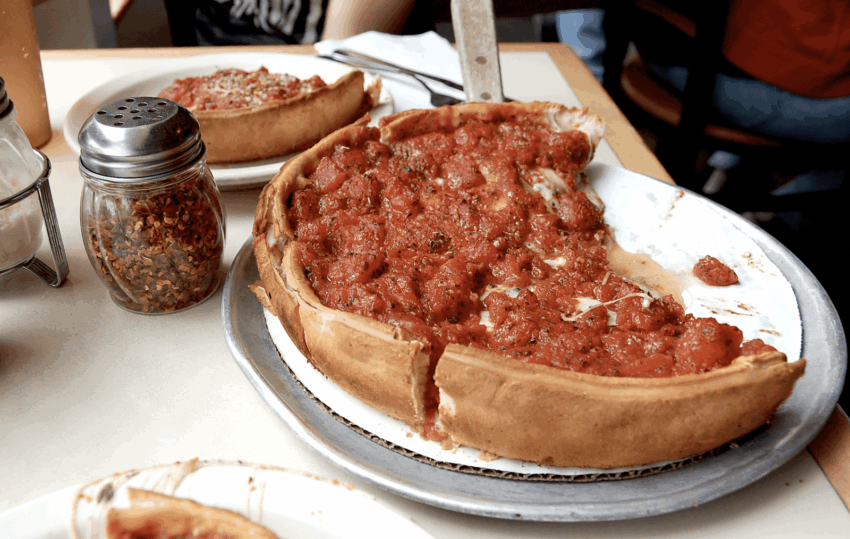
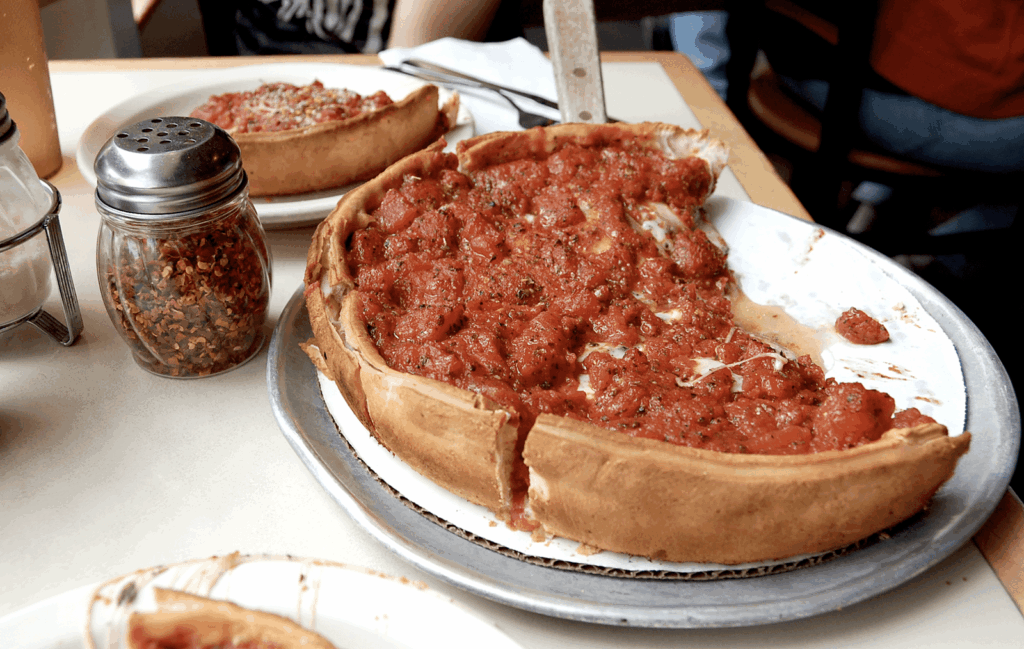
Unlike thin-crust pizzas, the Chicago deep-dish is characterized by its tall, buttery crust, generous layers of cheese, chunky tomato sauce, and your favorite toppings. The dough is the foundation of this masterpiece, and getting it right is crucial for achieving that authentic taste and texture. This comprehensive guide provides everything you need to know to make the perfect Chicago pizza dough recipe, from understanding the ingredients to mastering the baking process.
Understanding the Essence of Chicago Pizza Dough
Before diving into the recipe, it’s essential to understand what makes Chicago pizza dough unique. It’s not just any pizza dough; it’s a buttery, almost pastry-like dough that can stand up to the weight of the copious amounts of cheese and sauce that define a deep-dish pie. The high fat content (primarily butter or oil) is key to achieving that characteristic tenderness and crispness.
The Role of Ingredients: A Deep Dive
Each ingredient plays a vital role in the final outcome of your Chicago pizza dough. Let’s break down the key components:
- Flour: Bread flour is generally preferred for its higher protein content, which contributes to gluten development and a chewier texture. All-purpose flour can be used, but the final product may be slightly less sturdy.
- Fat: This is where the magic happens. Butter (cold and cut into cubes) is the traditional choice, adding richness and flakiness. Some recipes use olive oil or a combination of both. The fat coats the flour particles, inhibiting gluten formation and resulting in a tender crust.
- Water: The water hydrates the flour, allowing the gluten to develop. The temperature of the water is important; it should be lukewarm (around 105-115°F) to activate the yeast.
- Yeast: Yeast is the leavening agent that makes the dough rise. Active dry yeast or instant dry yeast can be used. Make sure your yeast is fresh to ensure proper rising.
- Sugar: A small amount of sugar provides food for the yeast, helping it to activate and produce carbon dioxide, which leavens the dough. It also contributes to browning.
- Salt: Salt controls the yeast activity and adds flavor to the dough.
The Importance of Technique: Mastering the Dough
The technique used to prepare the dough is just as important as the ingredients themselves. Here are some key considerations:
- Mixing: Avoid overmixing the dough, as this can lead to a tough crust. Mix until the ingredients are just combined.
- Kneading: Kneading develops the gluten, giving the dough its structure. However, with Chicago deep-dish dough, you want to be gentle and not over-knead. A short kneading time is sufficient.
- Resting: Resting the dough allows the gluten to relax, making it easier to roll out and resulting in a more tender crust.
- Cold Fermentation: Allowing the dough to rise slowly in the refrigerator (cold fermentation) develops deeper flavor and improves the texture. This is a highly recommended step for Chicago pizza dough.
The Ultimate Chicago Pizza Dough Recipe: Step-by-Step Guide
Now, let’s get to the heart of the matter: the recipe itself. This recipe has been meticulously tested and refined to deliver authentic Chicago deep-dish pizza dough every time.
Ingredients:
- 3 cups (360g) bread flour, plus more for dusting
- 1 teaspoon (4g) sugar
- 1 teaspoon (5g) salt
- 1 packet (7g) active dry yeast or instant dry yeast
- 1 cup (240ml) lukewarm water (105-115°F)
- 6 tablespoons (85g) cold unsalted butter, cut into ½-inch cubes
- 2 tablespoons olive oil
Instructions:
- Activate the Yeast: In a small bowl, combine the lukewarm water, sugar, and yeast. Let it stand for 5-10 minutes, or until foamy. This indicates that the yeast is active.
- Combine Dry Ingredients: In a large bowl, whisk together the flour and salt.
- Incorporate the Butter: Add the cold butter cubes to the flour mixture. Using a pastry blender or your fingertips, cut the butter into the flour until the mixture resembles coarse crumbs. It’s important to keep the butter cold to prevent it from melting.
- Add Wet Ingredients: Pour the yeast mixture and olive oil into the flour mixture. Stir until the dough just comes together.
- Knead the Dough: Turn the dough out onto a lightly floured surface. Knead gently for 3-4 minutes, or until the dough is smooth and elastic. Avoid over-kneading.
- First Rise: Place the dough in a lightly oiled bowl, turning to coat. Cover with plastic wrap and let it rise in a warm place for 1-1.5 hours, or until doubled in size.
- Cold Fermentation (Recommended): For enhanced flavor, punch down the dough, re-cover with plastic wrap, and refrigerate for at least 4 hours, or up to 24 hours.
- Prepare the Pan: Generously grease a 9-inch deep-dish pizza pan with olive oil. Make sure to coat the sides of the pan well.
- Shape the Dough: Press the dough into the prepared pan, working it up the sides to create a tall crust. The crust should be thicker at the bottom and thinner towards the top.
- Par-Bake (Optional): For an extra crispy crust, par-bake the dough in a preheated oven at 375°F (190°C) for 10-15 minutes. This step is optional but can help prevent the crust from becoming soggy.
- Add Toppings: Now it’s time to assemble your pizza! Start with a generous layer of mozzarella cheese, followed by your favorite toppings, and then top with a chunky tomato sauce.
- Bake: Bake in a preheated oven at 425°F (220°C) for 25-35 minutes, or until the crust is golden brown and the cheese is melted and bubbly.
- Rest and Serve: Let the pizza rest for 5-10 minutes before slicing and serving. This allows the cheese to set and prevents it from sliding off.
Troubleshooting Common Chicago Pizza Dough Problems
Even with the best recipe, things can sometimes go wrong. Here are some common problems and how to fix them:
- Dough is too tough: This is usually caused by over-kneading the dough. Be gentle and avoid overworking the gluten.
- Dough doesn’t rise: This could be due to inactive yeast or water that is too hot or too cold. Make sure your yeast is fresh and your water is lukewarm.
- Crust is soggy: This can happen if the crust is not par-baked or if there is too much moisture in the toppings. Par-baking the crust and draining excess moisture from the toppings can help prevent this.
- Crust is too dry: This could be due to using too much flour or baking the pizza for too long. Use the correct amount of flour and monitor the pizza closely while it’s baking.
The History and Evolution of Chicago Deep-Dish Pizza
Chicago deep-dish pizza has a rich history, with its origins tracing back to the 1940s. While the exact origins are debated, it’s widely believed that Ike Sewell and Ric Riccardo, founders of Pizzeria Uno, were instrumental in popularizing the dish. They sought to create a heartier, more substantial pizza that would appeal to American tastes. Their creation, with its tall crust, layers of cheese, and chunky tomato sauce, quickly became a Chicago staple.
Over the years, Chicago deep-dish pizza has evolved, with different pizzerias putting their own spin on the classic recipe. Some variations include using different types of cheese, adding unique toppings, or experimenting with different crust textures. However, the fundamental principles of the dish – the tall crust, the generous cheese, and the chunky sauce – remain the same.
Leading Chicago Deep-Dish Pizza Restaurants: A Comparative Look
While making your own Chicago deep-dish pizza is a rewarding experience, sometimes you just want to enjoy a professionally made pie. Here’s a brief overview of some of the leading Chicago deep-dish pizza restaurants:
- Pizzeria Uno: The original home of Chicago deep-dish pizza, Pizzeria Uno is a must-visit for any pizza enthusiast. Their classic deep-dish is a testament to the dish’s origins.
- Lou Malnati’s Pizzeria: Another Chicago institution, Lou Malnati’s is known for its buttery crust and high-quality ingredients. Their sausage pizza is a particular favorite.
- Giordano’s: Giordano’s is famous for its stuffed pizza, which is even thicker and more substantial than a traditional deep-dish.
- Pequod’s Pizza: Pequod’s is known for its caramelized crust, which adds a unique flavor and texture to their deep-dish pizza.
Features Analysis: A Deep Dive into Deep-Dish Excellence
Let’s dissect the key features that make a Chicago deep-dish pizza exceptional:
- The Buttery Crust: The crust is the foundation of the deep-dish, providing a sturdy vessel for the toppings. The high fat content creates a tender, flaky, and slightly crispy texture. Our recipe uses cold butter, cut into cubes, to ensure that the fat is evenly distributed throughout the dough.
- The Tall Sides: The tall sides of the crust are what define the deep-dish. They create a well that holds the copious amounts of cheese and sauce. Shaping the dough carefully in the pan is crucial for achieving the correct height and thickness.
- The Generous Cheese: Chicago deep-dish pizza is known for its generous layer of mozzarella cheese. The cheese should be high-quality and evenly distributed to ensure a consistent melt.
- The Chunky Tomato Sauce: The sauce is typically made from crushed tomatoes, herbs, and spices. It should be chunky and flavorful, with a slightly sweet taste. The sauce is added on top of the cheese to prevent the crust from becoming soggy.
- The Toppings: While the cheese and sauce are essential, the toppings are where you can get creative. Sausage, pepperoni, mushrooms, onions, and peppers are all popular choices.
- The Baking Process: Baking the pizza at the correct temperature and for the correct amount of time is crucial for achieving the perfect crust and melted cheese. Par-baking the crust can help prevent it from becoming soggy.
- The Presentation: A well-made Chicago deep-dish pizza is a feast for the eyes as well as the palate. The golden-brown crust, melted cheese, and vibrant toppings create a visually appealing dish.
Advantages, Benefits, and Real-World Value
Making your own Chicago deep-dish pizza offers numerous advantages and benefits:
- Control over Ingredients: When you make your own pizza, you have complete control over the ingredients. You can choose high-quality ingredients and avoid processed foods and additives.
- Customization: You can customize the pizza to your liking, adding your favorite toppings and adjusting the amount of cheese and sauce.
- Cost-Effective: Making your own pizza is often more cost-effective than ordering takeout or delivery.
- A Fun and Rewarding Experience: Making pizza from scratch is a fun and rewarding experience that you can share with family and friends.
- Impress Your Guests: A homemade Chicago deep-dish pizza is sure to impress your guests and show off your culinary skills.
- Enjoy Authentic Chicago Taste: With the right recipe and technique, you can recreate the authentic taste of Chicago deep-dish pizza in your own kitchen.
Comprehensive Review: The Homemade Deep-Dish Experience
Let’s be honest: making Chicago deep-dish pizza at home is a project. It requires time, effort, and attention to detail. But the rewards are well worth it. The satisfaction of creating a delicious, authentic deep-dish pizza from scratch is unparalleled. In our experience, the key to success is patience and following the recipe closely.
User Experience & Usability: The recipe is straightforward and easy to follow, even for beginner bakers. The instructions are clear and concise, and the troubleshooting tips are helpful for resolving common problems. The recipe is also easily adaptable to different dietary needs and preferences.
Performance & Effectiveness: When followed correctly, this recipe consistently produces a high-quality Chicago deep-dish pizza. The crust is tender and crispy, the cheese is melted and bubbly, and the sauce is flavorful and chunky. The pizza is sturdy enough to hold the toppings without becoming soggy.
Pros:
- Authentic Taste: The recipe captures the authentic taste of Chicago deep-dish pizza.
- Easy to Follow: The instructions are clear and concise, making the recipe accessible to beginner bakers.
- Customizable: The recipe can be easily customized to different dietary needs and preferences.
- Cost-Effective: Making your own pizza is often more cost-effective than ordering takeout or delivery.
- Impressive Results: The recipe consistently produces a high-quality Chicago deep-dish pizza.
Cons/Limitations:
- Time-Consuming: Making Chicago deep-dish pizza requires time and effort.
- Requires Specific Equipment: You will need a deep-dish pizza pan to make this recipe.
- Can Be Messy: Working with dough can be messy, especially if you’re not used to it.
- Potential for Error: There are several steps in the recipe where errors can occur, such as over-kneading the dough or using inactive yeast.
Ideal User Profile: This recipe is best suited for home cooks who are looking for a fun and rewarding culinary challenge. It’s also a great option for those who want to enjoy authentic Chicago deep-dish pizza without having to travel to Chicago.
Key Alternatives: If you’re short on time or don’t want to make your own dough, you can use a store-bought pizza dough. However, the results will not be as authentic. Another alternative is to order a Chicago deep-dish pizza from a local pizzeria.
Expert Overall Verdict & Recommendation: This recipe is a winner. It’s well-tested, easy to follow, and produces a delicious, authentic Chicago deep-dish pizza. While it requires some time and effort, the results are well worth it. We highly recommend this recipe to anyone who wants to experience the joy of making their own deep-dish pizza at home.
Insightful Q&A: Your Chicago Pizza Dough Questions Answered
- Question: Can I use all-purpose flour instead of bread flour? Answer: Yes, you can, but the crust will be slightly less chewy and sturdy. Bread flour’s higher protein content contributes to a better texture.
- Question: How can I make the dough ahead of time? Answer: Cold fermentation is your friend! After the first rise, punch down the dough, wrap it tightly, and refrigerate for up to 24 hours. This enhances flavor and texture.
- Question: What’s the best way to prevent the crust from sticking to the pan? Answer: Generously grease the deep-dish pan with olive oil, ensuring you coat the sides thoroughly. You can also dust the pan with cornmeal for added insurance.
- Question: Can I freeze the pizza dough? Answer: Yes, you can freeze the dough after the first rise. Wrap it tightly in plastic wrap and then in foil. Thaw it in the refrigerator overnight before using.
- Question: How do I get that caramelized edge on the crust like Pequod’s? Answer: Before baking, sprinkle a generous amount of mozzarella cheese around the edge of the dough where it meets the pan. As the cheese melts and browns, it will create that signature caramelized edge.
- Question: What’s the ideal cheese blend for a Chicago deep-dish pizza? Answer: A combination of low-moisture mozzarella and provolone is a classic choice. The mozzarella provides a good melt, while the provolone adds a bit of sharpness.
- Question: Can I use a stand mixer to make the dough? Answer: Yes, you can use a stand mixer with a dough hook attachment. Mix the ingredients on low speed until the dough comes together, then knead on medium speed for 3-4 minutes.
- Question: What’s the secret to a truly flavorful tomato sauce? Answer: Use high-quality crushed tomatoes, add a touch of sugar to balance the acidity, and simmer the sauce for at least 30 minutes to allow the flavors to meld. Fresh herbs like basil and oregano are also essential.
- Question: How do I prevent the toppings from sliding off when I slice the pizza? Answer: Let the pizza rest for 5-10 minutes after baking before slicing. This allows the cheese to set and prevents the toppings from sliding off.
- Question: What are some unique topping combinations for a Chicago deep-dish pizza? Answer: Try a combination of spinach, artichoke hearts, and feta cheese, or a combination of Italian sausage, roasted red peppers, and caramelized onions. Get creative and experiment with your favorite flavors!
Conclusion: Your Journey to Deep-Dish Mastery
Congratulations! You’ve now armed yourself with the knowledge and recipe to create authentic Chicago deep-dish pizza dough. Remember, the key to success lies in understanding the ingredients, mastering the technique, and, most importantly, enjoying the process. The buttery, flavorful crust of a homemade Chicago deep-dish is an experience worth savoring. We’ve shared expert insights and practical tips to guide you. Now, it’s your turn to bring the taste of Chicago to your kitchen.
As you embark on your deep-dish journey, don’t hesitate to experiment with different toppings and variations to create your own signature pie. The possibilities are endless!
Share your Chicago deep-dish pizza creations with us in the comments below! We’d love to hear about your experiences and see your culinary masterpieces.