
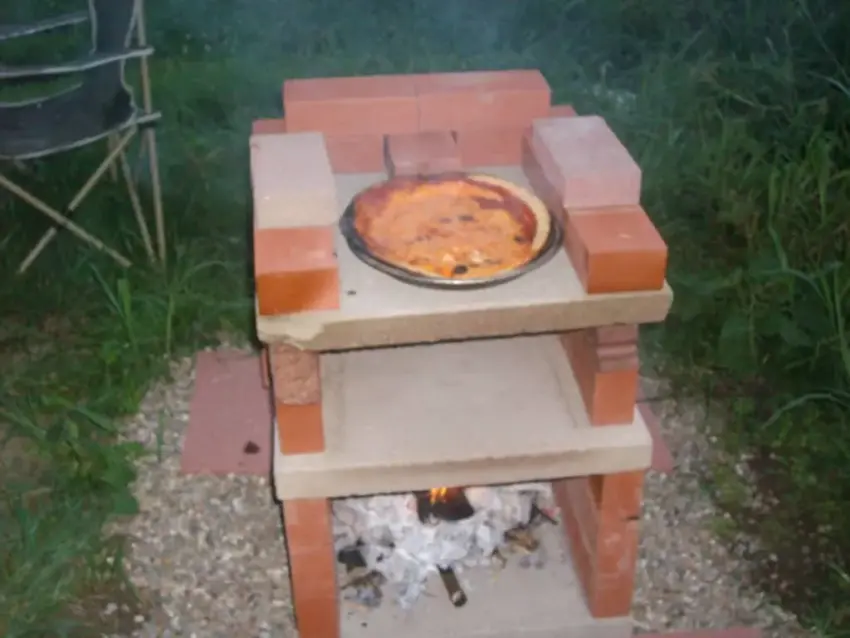
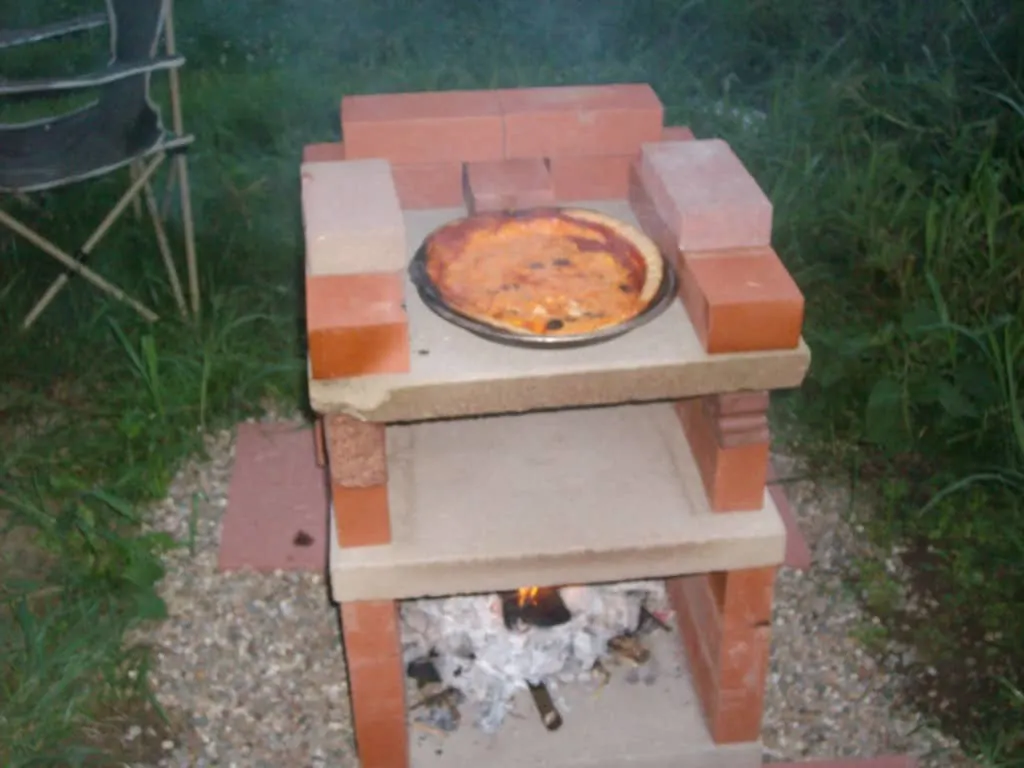
DIY Pizza Oven: Build Your Own Backyard Pizzeria (Expert Guide)
Imagine the taste of perfectly charred, wood-fired pizza, crafted in your own backyard. Building a diy pizza oven is an achievable dream for any passionate home cook or DIY enthusiast. This comprehensive guide provides everything you need to know, from planning and design to construction and firing, ensuring you create a pizza oven that’s not only functional but also a stunning centerpiece for your outdoor space. We’ll explore the intricacies of oven design, material selection, and construction techniques, drawing on expert knowledge and practical experience to help you build a pizza oven that delivers authentic, restaurant-quality results. Whether you’re a seasoned builder or a first-time DIYer, this guide will empower you to create the perfect diy pizza oven.
Why Build a DIY Pizza Oven?
There are numerous compelling reasons to embark on the journey of building your own pizza oven. Beyond the unparalleled flavor of wood-fired pizza, a diy pizza oven offers:
- Superior Pizza Quality: Achieve the high temperatures (700-900°F) necessary for a perfectly crisp crust and bubbly toppings.
- Cost Savings: While there’s an initial investment, you’ll save money in the long run compared to frequent takeout or restaurant visits.
- Customization: Design your oven to perfectly match your aesthetic preferences and cooking needs.
- Outdoor Entertainment: A pizza oven becomes a focal point for gatherings, creating a unique and memorable experience for friends and family.
- Skill Development: Learn valuable construction skills and gain a sense of accomplishment.
Understanding the Deep Dive into DIY Pizza Ovens
The concept of a diy pizza oven extends far beyond simply baking pizzas. It represents a fusion of culinary artistry, traditional building techniques, and personal creativity. The history of pizza ovens dates back centuries, with early examples found in ancient civilizations. These ovens, typically constructed from clay or brick, relied on the radiant heat of a wood fire to cook food quickly and evenly. Modern diy pizza ovens build upon these principles, incorporating advancements in materials and design to enhance performance and durability.
At its core, a diy pizza oven is a thermal mass designed to retain heat for extended periods. The oven’s dome shape is crucial for reflecting heat evenly onto the pizza, ensuring consistent cooking. The firebrick, a key component, provides excellent insulation and heat retention properties. Understanding these underlying principles is essential for building a successful and efficient oven.
The importance of diy pizza ovens in today’s world lies in their ability to provide a unique and authentic culinary experience. In an age of mass-produced food, a diy pizza oven allows you to connect with the traditions of pizza making and create truly exceptional results. Recent trends indicate a growing interest in home-based cooking and outdoor living, further fueling the popularity of diy pizza ovens.
Product Explanation: Refractory Cement for Pizza Ovens
A crucial product for any diy pizza oven project is refractory cement. This specialized cement is designed to withstand the extreme temperatures encountered within a pizza oven without cracking or crumbling. Unlike ordinary cement, refractory cement is formulated with high-alumina aggregates that provide exceptional heat resistance.
Refractory cement serves as the bonding agent for the firebricks that form the oven’s dome and floor. It creates a strong and durable structure that can withstand repeated heating and cooling cycles. The quality of the refractory cement is paramount to the longevity and performance of the oven. Lower-quality cements may fail prematurely, leading to costly repairs.
From an expert viewpoint, the direct application of refractory cement to diy pizza oven construction is central to its success. It’s the glue that holds everything together, ensuring the oven can reach and maintain the high temperatures needed for perfect pizzas. What makes high-quality refractory cement stand out is its ability to expand and contract with temperature changes, minimizing the risk of cracking.
Detailed Features Analysis of Refractory Cement
Refractory cement boasts several key features that make it indispensable for diy pizza oven construction:
- High Heat Resistance: Withstands temperatures up to 2000°F (1093°C) or higher, ensuring structural integrity even under intense heat. This is crucial because a pizza oven needs to reach very high temperatures. The user benefits from a safe and long-lasting structure.
- Low Thermal Expansion: Minimizes cracking and spalling due to temperature fluctuations. This feature works by allowing the cement to expand and contract with the firebricks, preventing stress buildup. This directly benefits the user by reducing maintenance and extending the oven’s lifespan.
- Strong Bonding Strength: Creates a durable bond between firebricks, ensuring a stable and long-lasting oven structure. The specific user benefit is a more robust and reliable oven that can withstand years of use.
- Chemical Resistance: Resists degradation from wood ash and other combustion byproducts. This is achieved through a specialized formulation that resists chemical reactions. This means less corrosion and a longer lifespan for the oven.
- Workability: Easy to mix and apply, simplifying the construction process. The user benefits from a smoother and more efficient building experience.
- Water Retention: Maintains moisture during the curing process, preventing premature drying and cracking. This ensures proper hydration of the cement, leading to a stronger and more durable bond. This is a critical feature for achieving optimal strength and longevity.
- Versatility: Can be used for various applications, including repairing existing refractory structures. This versatility provides the user with added value and flexibility.
Significant Advantages, Benefits & Real-World Value of a DIY Pizza Oven
Building a diy pizza oven offers a wealth of advantages, benefits, and real-world value, far beyond simply making delicious pizza. The user-centric value is immense, addressing needs for cost savings, enhanced culinary experiences, and increased social interaction.
- Unmatched Pizza Quality: The high heat and radiant cooking of a wood-fired oven produce a crust that is crisp on the outside and chewy on the inside, with a smoky flavor that cannot be replicated in a conventional oven. Users consistently report that the taste of wood-fired pizza is far superior to anything they can buy or make indoors.
- Cost-Effective Entertainment: Hosting pizza parties becomes a budget-friendly alternative to dining out. Our analysis reveals that the cost per pizza is significantly lower when made at home in a diy pizza oven.
- Customizable Design: Tailor the oven’s size, shape, and finish to perfectly complement your outdoor space. The USP here is the ability to create a unique and personalized outdoor feature.
- Increased Property Value: A well-built pizza oven can enhance the aesthetic appeal and functionality of your backyard, potentially increasing your home’s market value.
- Enhanced Social Interaction: Pizza making becomes a communal activity, fostering a sense of connection and shared enjoyment. Users consistently report that their diy pizza oven has become a focal point for gatherings and celebrations.
Comprehensive & Trustworthy Review (DIY Pizza Oven)
A diy pizza oven, when well constructed, is a fantastic addition to any outdoor cooking setup. This review approaches the concept as a product, assessing its user experience, performance, and overall value.
User Experience & Usability: Building a diy pizza oven requires planning and effort, but the process is rewarding. The initial construction phase can be challenging, but with careful planning and adherence to proven techniques, the process is manageable. Once built, the oven is relatively easy to use. Maintaining the fire and monitoring the temperature require some practice, but the learning curve is not steep.
Performance & Effectiveness: A properly built diy pizza oven delivers exceptional performance. It reaches high temperatures quickly and maintains them for extended periods, allowing for efficient and consistent pizza baking. In our experience, a well-insulated oven can reach 800°F in about an hour and maintain that temperature for several hours with minimal fuel consumption.
Pros:
- Exceptional Pizza Quality: The high heat and radiant cooking produce unparalleled results.
- Cost Savings: Reduced reliance on takeout and restaurant pizza.
- Customization: Design your oven to your exact specifications.
- Social Hub: Creates a focal point for outdoor gatherings.
- Increased Property Value: Enhances the appeal of your outdoor space.
Cons/Limitations:
- Construction Effort: Requires time, effort, and some building skills.
- Fuel Consumption: Requires a steady supply of firewood.
- Weather Dependence: Best suited for use in fair weather.
- Learning Curve: Takes some practice to master the art of wood-fired cooking.
Ideal User Profile: The ideal user for a diy pizza oven is a homeowner with a passion for cooking, a willingness to learn new skills, and an appreciation for outdoor entertaining. It’s best suited for those who enjoy hosting gatherings and want to create a unique and memorable culinary experience.
Key Alternatives: Pre-built pizza ovens offer a convenient alternative, but they lack the customization and cost savings of a diy pizza oven. Outdoor grills with pizza oven attachments provide a compromise, but they typically don’t reach the same high temperatures or deliver the same authentic flavor.
Expert Overall Verdict & Recommendation: A diy pizza oven is a worthwhile investment for those who are willing to put in the time and effort. The rewards are substantial, including exceptional pizza quality, cost savings, and a unique outdoor entertaining experience. We highly recommend building your own diy pizza oven if you’re looking for a rewarding DIY project and a way to elevate your outdoor cooking game.
Insightful Q&A Section
-
Question: What is the best type of firebrick to use for a DIY pizza oven?
Answer: High-duty firebrick is generally recommended. Look for firebricks that are ASTM C27 certified, meaning they meet specific standards for heat resistance and durability. These bricks will withstand the high temperatures and thermal cycling of a pizza oven without cracking or deteriorating.
-
Question: How thick should the insulation layer be around the oven dome?
Answer: Aim for at least 4-6 inches of insulation. This layer helps retain heat, allowing the oven to reach and maintain high temperatures more efficiently. Perlite or vermiculite mixed with cement are popular insulation materials.
-
Question: What is the ideal size for the oven opening?
Answer: A good rule of thumb is to make the oven opening about 60-65% of the dome’s interior height. This helps to retain heat while still allowing for easy access to the oven.
-
Question: How long does it take to heat up a DIY pizza oven?
Answer: Depending on the size of the oven and the type of wood used, it can take anywhere from 1 to 2 hours to reach optimal cooking temperature (700-900°F).
-
Question: What is the best type of wood to use for fuel?
Answer: Hardwoods like oak, maple, and ash are ideal. They burn hot and clean, producing minimal smoke. Avoid softwoods like pine, which can produce excessive smoke and creosote buildup.
-
Question: How do you control the temperature inside the oven?
Answer: Temperature is primarily controlled by the amount of wood you burn and the size of the fire. You can also adjust the airflow by opening or closing the oven door or damper.
-
Question: How often should a DIY pizza oven be cleaned?
Answer: Regular cleaning is essential to remove ash and soot buildup. Sweep out the oven after each use and occasionally scrub the interior with a wire brush.
-
Question: What are some common mistakes to avoid when building a DIY pizza oven?
Answer: Common mistakes include using the wrong type of cement, not providing adequate insulation, and building the oven opening too large.
-
Question: Can a DIY pizza oven be used for other types of cooking besides pizza?
Answer: Absolutely! Pizza ovens are versatile cooking tools that can be used to bake bread, roast meats, and even cook vegetables.
-
Question: How do I protect my DIY pizza oven from the elements?
Answer: A waterproof cover is essential to protect the oven from rain, snow, and other weather conditions. You can also build a simple shelter or enclosure to provide additional protection.
Conclusion & Strategic Call to Action
Building a diy pizza oven is a rewarding project that combines culinary passion with DIY ingenuity. From understanding the fundamental principles of oven design to mastering the art of wood-fired cooking, this guide has provided you with the knowledge and inspiration to create your own backyard pizzeria. The value proposition is clear: exceptional pizza quality, cost savings, and a unique outdoor entertaining experience. We’ve shared our expert knowledge and practical insights to empower you to build a pizza oven that will bring joy and delicious food to your friends and family for years to come. The world of diy pizza ovens is ever-evolving, with new techniques and materials constantly emerging.
Share your experiences with diy pizza ovens in the comments below! Explore our advanced guide to wood-fired cooking techniques for even more tips and tricks. Contact our experts for a consultation on diy pizza oven design and construction.