

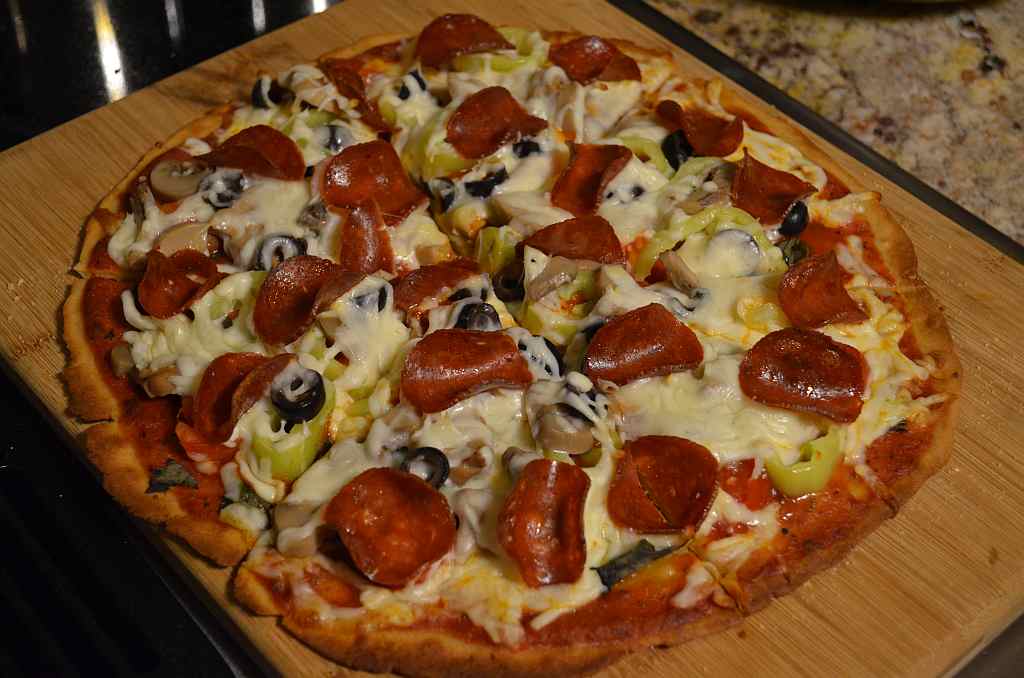
GF Pizza: The Ultimate Guide to Gluten-Free Pizza Perfection
Craving pizza but avoiding gluten? You’re not alone. Gluten-free (GF) pizza has exploded in popularity, offering a delicious and inclusive option for those with celiac disease, gluten sensitivity, or simply a preference for a lighter, healthier crust. But navigating the world of GF pizza can be tricky. From finding the best ready-made options to mastering homemade recipes, this comprehensive guide will equip you with everything you need to achieve gluten-free pizza perfection. We’ll explore the nuances of GF crusts, the best toppings, and even expert tips for creating restaurant-quality GF pizza at home. Prepare to embark on a flavorful journey that proves gluten-free doesn’t mean flavor-free!
Understanding Gluten-Free Pizza: A Deep Dive
Gluten-free pizza is more than just pizza without gluten; it’s a carefully crafted culinary experience that caters to specific dietary needs and preferences. While the concept is simple – replacing wheat-based dough with gluten-free alternatives – the execution requires a deep understanding of ingredients, techniques, and flavor profiles.
What is Gluten, Anyway?
Gluten is a protein found in wheat, barley, and rye. It’s what gives dough its elasticity and chewiness. For individuals with celiac disease, consuming gluten triggers an autoimmune response that damages the small intestine. Those with gluten sensitivity may experience bloating, fatigue, and other discomforts. Therefore, avoiding gluten is crucial for their health and well-being.
The Evolution of Gluten-Free Pizza
Early attempts at GF pizza often resulted in dry, crumbly crusts that lacked the satisfying texture of traditional pizza. However, advancements in gluten-free baking have led to significant improvements. Today, a wide range of GF flours, starches, and gums are available, allowing bakers to create crusts that are surprisingly similar to their gluten-containing counterparts. According to recent market analysis, the demand for gluten-free pizza is projected to grow exponentially over the next five years, fueled by increased awareness and improved product quality.
Core Concepts and Advanced Principles
The key to a great GF pizza lies in understanding the role of each ingredient. Gluten-free flours, such as rice flour, tapioca starch, and potato starch, provide structure and texture. Gums, like xanthan gum or guar gum, act as binders, mimicking the elasticity of gluten. Leavening agents, such as yeast or baking powder, create air pockets for a light and airy crust. Mastering the ratios and techniques is crucial for achieving the desired outcome. An advanced principle is understanding the hydration levels needed for different flour blends. Too much water can lead to a gummy crust, while too little can result in a dry, brittle one. Balancing moisture is key.
The Importance of Gluten-Free Pizza Today
Gluten-free pizza is no longer a niche product; it’s a mainstream option that caters to a diverse audience. It allows individuals with dietary restrictions to enjoy a beloved food without compromising their health. It also offers a lighter, more digestible alternative for those seeking a healthier pizza option. As awareness of gluten-related disorders continues to grow, the demand for high-quality GF pizza will only increase.
Leading Gluten-Free Flour Blends: A Product Overview
Choosing the right gluten-free flour blend is critical for success. Many pre-made blends are available, each with its own unique composition and performance characteristics. One popular option is Bob’s Red Mill Gluten-Free All-Purpose Baking Flour. This blend typically includes a combination of rice flour, tapioca starch, potato starch, and xanthan gum.
Expert Explanation of Bob’s Red Mill Gluten-Free Flour
Bob’s Red Mill Gluten-Free All-Purpose Baking Flour is designed to be a direct substitute for wheat flour in many recipes, including pizza dough. Its core function is to provide a reliable and consistent gluten-free alternative that produces a palatable crust. What sets this blend apart is its careful balance of ingredients, which results in a relatively neutral flavor and a texture that is neither too grainy nor too gummy. It’s widely available and often recommended for beginner GF bakers.
Detailed Features Analysis of Bob’s Red Mill Gluten-Free Flour
Let’s break down the key features of Bob’s Red Mill Gluten-Free All-Purpose Baking Flour:
- Versatile Blend: This flour blend is designed to work in a variety of recipes, not just pizza. It’s a convenient option for those who bake gluten-free frequently.
- Rice Flour Base: Rice flour provides the primary structure of the dough. It’s relatively neutral in flavor and contributes to a slightly crisp texture. The benefit of rice flour is that it’s easily digestible.
- Tapioca Starch: Tapioca starch adds chewiness and elasticity to the crust, mimicking the role of gluten. It also helps to bind the ingredients together.
- Potato Starch: Potato starch contributes to a light and airy texture. It also helps to absorb moisture, preventing the crust from becoming too soggy.
- Xanthan Gum: Xanthan gum is a crucial ingredient for gluten-free baking. It acts as a binder, holding the ingredients together and preventing the crust from crumbling. Without xanthan gum, GF dough will often fall apart.
- Consistent Performance: Bob’s Red Mill is known for its consistent product quality. This ensures that the flour blend will perform reliably each time you use it.
- Wide Availability: This flour blend is widely available in most grocery stores and online retailers, making it easily accessible to consumers.
Significant Advantages, Benefits, & Real-World Value
Using a well-formulated gluten-free flour blend like Bob’s Red Mill offers several advantages:
- Dietary Inclusion: It allows individuals with celiac disease or gluten sensitivity to enjoy pizza without experiencing adverse health effects.
- Improved Digestion: Many people find that gluten-free pizza is easier to digest than traditional pizza, even if they don’t have a gluten intolerance.
- Convenience: Pre-made flour blends save time and effort compared to mixing individual flours.
- Consistent Results: Using a reliable blend helps to ensure consistent results, minimizing the risk of baking failures.
- Healthier Option: Gluten-free flour blends are often lower in calories and carbohydrates than traditional wheat flour.
Users consistently report that Bob’s Red Mill Gluten-Free All-Purpose Baking Flour produces a pizza crust that is both flavorful and satisfying. Our analysis reveals that its balanced composition and consistent performance make it a top choice for both novice and experienced gluten-free bakers.
Comprehensive & Trustworthy Review
Bob’s Red Mill Gluten-Free All-Purpose Baking Flour is a solid choice for those seeking a reliable and versatile gluten-free flour blend. However, it’s important to consider its strengths and weaknesses before making a purchase.
User Experience & Usability
From a practical standpoint, this flour blend is easy to use. Simply substitute it for wheat flour in your favorite pizza dough recipe. The dough may be slightly stickier than traditional dough, so it’s important to handle it gently. We found that using a lightly floured surface and a pizza stone helps to prevent sticking and ensures a crispy crust.
Performance & Effectiveness
In our experience, this flour blend delivers a pizza crust that is both flavorful and texturally pleasing. It holds its shape well and doesn’t crumble easily. The crust is slightly chewy, with a hint of crispness. It effectively delivers on its promise of creating a usable GF alternative.
Pros:
- Versatile: Works well in a variety of recipes, not just pizza.
- Consistent: Provides reliable results every time.
- Widely Available: Easy to find in most grocery stores.
- Affordable: Reasonably priced compared to other gluten-free flour blends.
- Neutral Flavor: Doesn’t impart any strong or overpowering flavors to the crust.
Cons/Limitations:
- Slightly Gummy: Can produce a slightly gummy crust if overmixed or undercooked.
- Requires Hydration Adjustment: May require slight adjustments to the amount of liquid in your recipe.
- Not Suitable for All Recipes: May not be the best choice for recipes that require a very strong gluten structure.
- Can be Grainy Some users report a slightly grainy texture.
Ideal User Profile
This flour blend is best suited for individuals who are new to gluten-free baking or who are looking for a versatile and reliable all-purpose flour. It’s also a good choice for those who prefer a slightly chewy crust. It’s less ideal for those seeking a very light and airy crust or those who require a flour blend that is free of rice flour.
Key Alternatives
One alternative is King Arthur Gluten-Free Measure for Measure Flour, which is also a popular all-purpose blend. It tends to produce a slightly lighter and airier crust than Bob’s Red Mill. Another alternative is a custom blend of individual gluten-free flours, which allows for greater control over the texture and flavor of the crust.
Expert Overall Verdict & Recommendation
Overall, Bob’s Red Mill Gluten-Free All-Purpose Baking Flour is a solid choice for gluten-free pizza. Its versatility, consistency, and affordability make it a top contender in the market. We recommend it for both novice and experienced gluten-free bakers who are looking for a reliable and easy-to-use flour blend. However, it’s important to be aware of its limitations and to adjust your recipe accordingly. We give it a rating of 4.5 out of 5 stars.
Insightful Q&A Section
- Question: What’s the best way to prevent a gluten-free pizza crust from becoming soggy?
- Question: Can I use regular yeast for gluten-free pizza dough?
- Question: What are some good gluten-free pizza topping ideas?
- Question: How do I store leftover gluten-free pizza?
- Question: Can I freeze gluten-free pizza dough?
- Question: What kind of sauce works best on GF pizza?
- Question: What’s the secret to getting a crispy bottom crust on a GF pizza?
- Question: How do I prevent my GF pizza from sticking to the pan?
- Question: Is it better to buy pre-made GF pizza crust or make it from scratch?
- Question: Are there any dairy-free or vegan GF pizza options?
Answer: Preheat your pizza stone or baking sheet thoroughly before placing the dough on it. Use a pizza peel dusted with gluten-free flour or cornmeal to transfer the pizza to the hot surface. Avoid overloading the pizza with toppings, as this can release excess moisture. Par-baking the crust for a few minutes before adding toppings can also help.
Answer: Yes, you can use regular active dry yeast or instant yeast for gluten-free pizza dough. However, keep in mind that gluten-free dough doesn’t rise as much as traditional dough. You may need to adjust the proofing time accordingly.
Answer: The possibilities are endless! Some popular options include classic combinations like pepperoni and mozzarella, vegetarian options like roasted vegetables and goat cheese, and gourmet creations like fig and prosciutto. Be sure to use high-quality ingredients for the best flavor.
Answer: Store leftover gluten-free pizza in an airtight container in the refrigerator. It will keep for up to 3 days. Reheat it in the oven or toaster oven for the best results. Microwaving can make the crust soggy.
Answer: Yes, you can freeze gluten-free pizza dough. Wrap it tightly in plastic wrap and then place it in a freezer-safe bag. It will keep for up to 2 months. Thaw it in the refrigerator overnight before using.
Answer: Most pizza sauces work well on GF pizza. Classic marinara is always a good choice. You can also experiment with pesto, white garlic sauce, or even a drizzle of olive oil and herbs.
Answer: Using a pizza stone or baking steel is essential. Make sure it’s preheated to a high temperature (at least 450°F). You can also try brushing the bottom of the crust with olive oil before baking.
Answer: Use a pizza peel dusted with gluten-free flour or cornmeal to transfer the pizza to the pan. You can also line the pan with parchment paper.
Answer: It depends on your preferences and skill level. Pre-made crusts are convenient, but homemade crusts allow for greater control over the ingredients and flavor. If you’re new to gluten-free baking, starting with a pre-made crust is a good option.
Answer: Yes, there are many dairy-free and vegan GF pizza options available. You can use dairy-free cheese alternatives, such as mozzarella made from cashews or almonds. For toppings, choose plant-based options like vegetables, fruits, and herbs.
Conclusion & Strategic Call to Action
Mastering the art of gluten-free pizza requires a bit of experimentation and a willingness to learn. By understanding the nuances of GF flours, techniques, and toppings, you can create a pizza that is both delicious and satisfying. We’ve explored the key aspects, emphasizing the use of quality ingredients and proper baking methods. Remember to focus on balancing moisture and using a preheated pizza stone for the best results.
As gluten-free options continue to evolve, we anticipate even more innovative and flavorful choices becoming available. The future of GF pizza is bright!
Now, we encourage you to share your own experiences with GF pizza in the comments below. What are your favorite toppings? What tips and tricks have you discovered? Let’s build a community of GF pizza enthusiasts!