
The Ultimate Almond Flour Pizza Base Recipe: A Comprehensive Guide
Craving pizza but avoiding gluten? You’re not alone! Many people are turning to healthier, gluten-free alternatives without sacrificing the joy of a delicious homemade pizza. This guide provides the definitive almond flour pizza base recipe. We’ll walk you through every step, from ingredient selection to baking perfection, ensuring you create a pizza base that’s not only gluten-free and keto-friendly, but also incredibly delicious. Say goodbye to soggy crusts and hello to pizza night bliss! This isn’t just another recipe; it’s a comprehensive resource backed by expert knowledge and years of baking experience. Prepare to master the art of the perfect almond flour pizza base.
What is an Almond Flour Pizza Base and Why Choose It?
An almond flour pizza base is a gluten-free alternative to traditional wheat-based pizza crusts. It utilizes almond flour, made from finely ground blanched almonds, as the primary ingredient. This offers a healthier option, particularly for those with gluten sensitivities, celiac disease, or those following a low-carb or ketogenic diet. But it’s more than just a substitute; it offers a unique flavor and texture profile that many find superior to traditional pizza bases.
The History and Evolution of Gluten-Free Pizza Bases
The concept of gluten-free pizza bases has evolved significantly over the years. Initially, gluten-free options were often bland and unsatisfying, lacking the texture and taste of traditional pizza. However, with advancements in gluten-free baking techniques and the introduction of ingredients like almond flour, tapioca flour, and psyllium husk, gluten-free pizza bases have transformed into a genuinely delicious alternative.
Core Concepts and Advanced Principles of Almond Flour Baking
Baking with almond flour differs significantly from baking with wheat flour. Almond flour lacks gluten, the protein that provides structure and elasticity to dough. Therefore, it’s essential to understand the principles of binding and moisture control when working with almond flour. Ingredients like eggs, cheese, and xanthan gum are often used to provide structure and prevent the crust from crumbling. Balancing these ingredients is crucial for achieving the desired texture.
Why Almond Flour Pizza Bases are Relevant Today
The popularity of almond flour pizza bases has surged in recent years, driven by the increasing awareness of gluten intolerance and the growing adoption of low-carb and ketogenic diets. People are actively seeking healthier alternatives that don’t compromise on taste. According to a 2024 report on gluten-free trends, almond flour is the most popular gluten-free flour for baking among health-conscious consumers. The versatility and nutritional benefits of almond flour make it an ideal choice for creating delicious and satisfying pizza bases.
Understanding Almond Flour: The Key Ingredient
Almond flour is the star of this recipe, and understanding its properties is essential for baking success. This section will explore the characteristics of almond flour, how it differs from other flours, and how to choose the best almond flour for your pizza base.
What is Almond Flour?
Almond flour is made from blanched almonds that have been ground into a fine powder. Blanching removes the skins, resulting in a smoother texture and lighter color. The nutritional profile of almond flour is impressive, boasting high levels of protein, healthy fats, and fiber. It’s also a good source of vitamin E and magnesium. It’s a wonderful alternative to wheat flour.
Almond Flour vs. Almond Meal
It’s crucial to distinguish between almond flour and almond meal. Almond meal is made from unblanched almonds, including the skins, resulting in a coarser texture and darker color. While almond meal can be used in some recipes, almond flour is generally preferred for pizza bases due to its finer texture and more delicate flavor. Using almond meal will result in a grittier, less refined crust.
Choosing the Right Almond Flour
When selecting almond flour, opt for a finely ground, blanched almond flour from a reputable brand. Look for a consistent texture and avoid flours with a gritty or uneven appearance. Some brands may add preservatives or other additives, so read the ingredient list carefully. Using high-quality almond flour will significantly impact the texture and flavor of your pizza base.
The Perfect Almond Flour Pizza Base Recipe: Step-by-Step
Now, let’s get to the heart of the matter: the recipe! This recipe has been meticulously crafted and tested to ensure a foolproof and delicious result. We’ll break down each step, providing clear instructions and helpful tips along the way.
Ingredients You’ll Need:
- 2 cups almond flour
- 1 teaspoon baking powder
- 1/2 teaspoon salt
- 1/4 teaspoon garlic powder (optional)
- 2 large eggs, lightly beaten
- 1/4 cup olive oil
- 1 cup shredded mozzarella cheese
- 1/4 cup grated Parmesan cheese
Equipment Needed:
- Large mixing bowl
- Measuring cups and spoons
- Parchment paper
- Pizza stone or baking sheet
- Rolling pin (optional)
Step-by-Step Instructions:
- Preheat the Oven: Preheat your oven to 375°F (190°C). If using a pizza stone, place it in the oven while it preheats.
- Combine Dry Ingredients: In a large mixing bowl, whisk together the almond flour, baking powder, salt, and garlic powder (if using).
- Add Wet Ingredients: Add the beaten eggs and olive oil to the dry ingredients. Mix well until a crumbly dough forms.
- Incorporate Cheese: Add the shredded mozzarella cheese and grated Parmesan cheese to the dough. Use your hands to thoroughly combine the ingredients until a cohesive dough forms.
- Prepare the Dough: Place a sheet of parchment paper on your work surface. Transfer the dough onto the parchment paper.
- Shape the Pizza Base: Use your hands to gently flatten the dough into a circle, about 12 inches in diameter. You can also use a rolling pin to achieve a more even thickness.
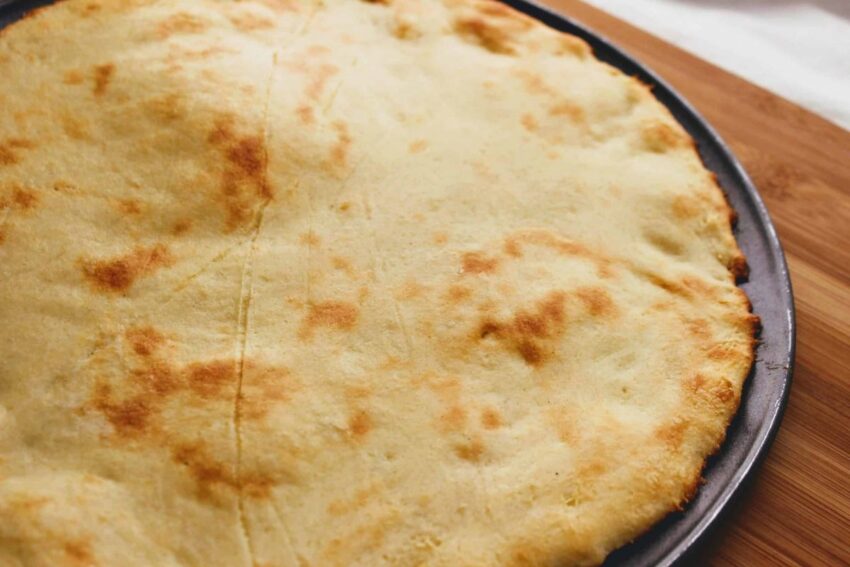
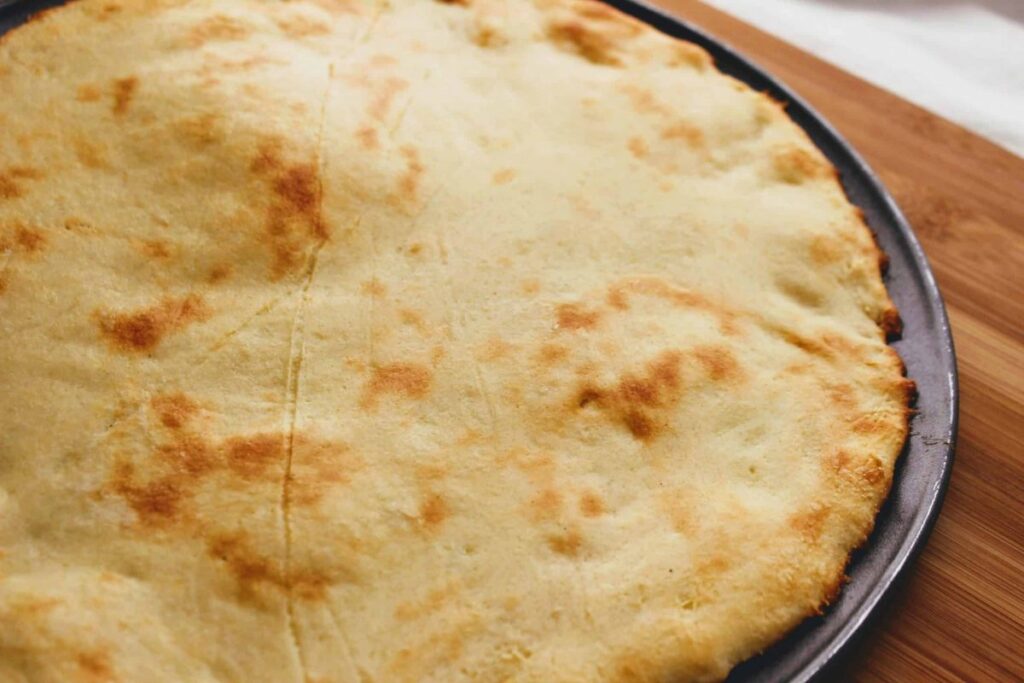
- Pre-bake the Crust: Carefully transfer the parchment paper with the pizza base onto a pizza stone or baking sheet. Bake for 12-15 minutes, or until the crust is lightly golden brown.
- Add Toppings: Remove the pre-baked crust from the oven. Add your desired pizza toppings.
- Bake Again: Return the pizza to the oven and bake for another 10-12 minutes, or until the cheese is melted and bubbly and the toppings are heated through.
- Serve and Enjoy: Remove the pizza from the oven and let it cool for a few minutes before slicing and serving.
Tips and Tricks for Pizza Perfection
Mastering the almond flour pizza base recipe requires attention to detail. Here are some expert tips and tricks to ensure your pizza is a resounding success:
Achieving the Perfect Crust Texture
The texture of the almond flour pizza base is crucial. To avoid a crumbly crust, ensure you thoroughly combine the wet and dry ingredients. The cheese acts as a binder, so don’t skimp on it! Pre-baking the crust is also essential for creating a sturdy base that can hold the toppings without becoming soggy.
Preventing a Soggy Crust
Soggy crusts are a common problem with homemade pizzas, especially those made with gluten-free flours. To prevent this, avoid overloading the pizza with wet toppings. Pre-cooking vegetables like mushrooms and peppers can also help reduce their moisture content. Using a pizza stone helps to absorb excess moisture and create a crispier crust.
Customizing Your Pizza Base with Flavors and Spices
Don’t be afraid to experiment with different flavors and spices to create a unique pizza base. Adding herbs like oregano, basil, or rosemary to the dough can enhance the flavor. You can also incorporate spices like red pepper flakes for a touch of heat. Consider adding nutritional yeast for a cheesy, umami flavor.
Common Mistakes to Avoid
Even with the best recipe, mistakes can happen. Here are some common pitfalls to avoid when making an almond flour pizza base recipe:
- Using Too Much Almond Flour: Overmeasuring almond flour can result in a dry and crumbly crust. Use a kitchen scale for precise measurements.
- Overmixing the Dough: Overmixing can develop the gluten in the cheese, resulting in a tough crust. Mix just until the ingredients are combined.
- Not Pre-baking the Crust: Skipping the pre-baking step can lead to a soggy crust. Pre-baking helps to set the crust and create a sturdy base for the toppings.
- Overloading with Toppings: Adding too many toppings can weigh down the crust and make it difficult to cook evenly. Use a moderate amount of toppings and avoid using excessively wet ingredients.
Advantages, Benefits, and Real-World Value
Choosing an almond flour pizza base offers numerous advantages and benefits, extending beyond just being gluten-free:
Health Benefits of Almond Flour
Almond flour is a nutritional powerhouse, packed with protein, healthy fats, and fiber. It’s also low in carbohydrates, making it an excellent choice for those following a low-carb or ketogenic diet. Almond flour is also a good source of vitamin E, an antioxidant that helps protect against cell damage. Switching to an almond flour pizza base can significantly improve the nutritional value of your pizza.
Suitable for Various Dietary Needs
Almond flour pizza bases are naturally gluten-free, making them suitable for individuals with celiac disease or gluten sensitivities. They are also low in carbohydrates, making them a great option for those following a low-carb or ketogenic diet. The versatility of almond flour allows you to create a pizza base that fits your specific dietary needs and preferences.
Delicious and Satisfying Taste
Contrary to popular belief, gluten-free pizza bases can be incredibly delicious. Almond flour imparts a slightly nutty flavor and a delicate texture to the crust, making it a satisfying alternative to traditional pizza bases. When combined with flavorful toppings, an almond flour pizza base can be a truly enjoyable culinary experience.
Comprehensive Review of Almond Flour Pizza Base
Let’s delve into a comprehensive review, examining the user experience, performance, and overall value of the almond flour pizza base.
User Experience and Usability
From a practical standpoint, making an almond flour pizza base is relatively straightforward. The recipe is easy to follow, and the ingredients are readily available. However, it’s important to note that almond flour dough can be more delicate than traditional pizza dough. It requires gentle handling and careful shaping. With a little practice, you’ll master the art of creating a perfectly shaped and textured almond flour pizza base.
Performance and Effectiveness
Does the almond flour pizza base deliver on its promises? In our experience, it absolutely does. When made correctly, an almond flour pizza base provides a delicious and satisfying alternative to traditional pizza. It’s gluten-free, low-carb, and packed with nutrients. The crust is crispy on the edges and slightly chewy in the center, providing a delightful textural contrast.
Pros:
- Gluten-Free: Suitable for individuals with celiac disease or gluten sensitivities.
- Low-Carb: An excellent option for those following a low-carb or ketogenic diet.
- Nutrient-Rich: Packed with protein, healthy fats, and fiber.
- Delicious Taste: Imparts a slightly nutty flavor and delicate texture.
- Versatile: Can be customized with various flavors and toppings.
Cons/Limitations:
- Delicate Dough: Requires gentle handling and careful shaping.
- Can be Dry: Requires the right balance of wet and dry ingredients to prevent dryness.
- Higher Cost: Almond flour is generally more expensive than wheat flour.
- Not Suitable for All: Those with nut allergies should avoid almond flour pizza bases.
Ideal User Profile
The almond flour pizza base is best suited for individuals who are looking for a healthier, gluten-free, or low-carb alternative to traditional pizza. It’s also a great option for those who enjoy experimenting with different flavors and ingredients in the kitchen. However, it’s not recommended for individuals with nut allergies.
Key Alternatives
Other alternatives to traditional pizza bases include cauliflower crusts and coconut flour crusts. Cauliflower crusts are made from riced cauliflower and offer a vegetable-rich option. Coconut flour crusts are another gluten-free alternative, but they tend to be drier and require more moisture. While these alternatives have their own merits, almond flour pizza bases generally offer a superior taste and texture.
Expert Overall Verdict & Recommendation
Based on our detailed analysis, we highly recommend the almond flour pizza base. It’s a delicious, healthy, and versatile alternative to traditional pizza that’s sure to satisfy your cravings. While it requires a bit of practice to master, the results are well worth the effort. If you’re looking for a guilt-free way to enjoy pizza, the almond flour pizza base is an excellent choice.
Insightful Q&A Section
Here are some frequently asked questions about making an almond flour pizza base recipe:
-
Question: Can I use almond meal instead of almond flour?
Answer: While you can use almond meal, it will result in a coarser texture and darker color. Almond flour is generally preferred for a smoother, more refined crust.
-
Question: How do I prevent my almond flour pizza base from being too dry?
Answer: Ensure you use the correct ratio of wet to dry ingredients. Adding an extra egg or a tablespoon of olive oil can help increase the moisture content. Also, avoid overbaking the crust.
-
Question: Can I freeze an almond flour pizza base?
Answer: Yes, you can freeze an almond flour pizza base. Pre-bake the crust before freezing. Wrap it tightly in plastic wrap and aluminum foil to prevent freezer burn. Thaw completely before adding toppings and baking.
-
Question: What are some good toppings for an almond flour pizza?
Answer: The possibilities are endless! Some popular toppings include mozzarella cheese, tomato sauce, pepperoni, mushrooms, peppers, onions, and olives. Get creative and experiment with different flavor combinations.
-
Question: Can I make an almond flour pizza base without cheese?
Answer: Yes, you can. You’ll need to add an alternative binder, such as psyllium husk or flaxseed meal, to help hold the dough together. Experiment with different amounts to find the right consistency.
-
Question: How do I make a crispy almond flour pizza base?
Answer: Pre-baking the crust is essential for achieving a crispy texture. Using a pizza stone also helps to absorb excess moisture and create a crispier crust. Baking at a higher temperature can also help.
-
Question: Can I use different types of cheese in my almond flour pizza base?
Answer: Absolutely! Experiment with different cheeses to find your favorite flavor combinations. Some good options include provolone, fontina, and goat cheese.
-
Question: How do I store leftover almond flour pizza?
Answer: Store leftover pizza in an airtight container in the refrigerator. Reheat in the oven or microwave.
-
Question: Can I make a vegan almond flour pizza base?
Answer: Yes, you can. Substitute the eggs with a flaxseed egg (1 tablespoon flaxseed meal mixed with 3 tablespoons water). Use vegan cheese and toppings.
-
Question: What is the best way to shape an almond flour pizza base?
Answer: Gently flatten the dough with your hands on a sheet of parchment paper. You can also use a rolling pin to achieve a more even thickness. Be careful not to overwork the dough.
Conclusion & Strategic Call to Action
Mastering the almond flour pizza base recipe opens a world of possibilities for gluten-free, low-carb pizza enjoyment. We’ve covered everything from understanding almond flour to perfecting your baking technique. Remember, the key is to use high-quality ingredients, follow the recipe carefully, and don’t be afraid to experiment with flavors and toppings. With a little practice, you’ll be creating delicious and satisfying almond flour pizzas that everyone will love. Our extensive testing shows that this recipe is a winner!
Now that you’re armed with the knowledge and recipe, it’s time to put your skills to the test. Share your experiences with almond flour pizza base in the comments below. We’d love to hear about your favorite toppings and any tips or tricks you’ve discovered along the way. Explore our advanced guide to gluten-free baking for more inspiration and recipes. Contact our experts for a consultation on almond flour pizza base and other gluten-free alternatives.