
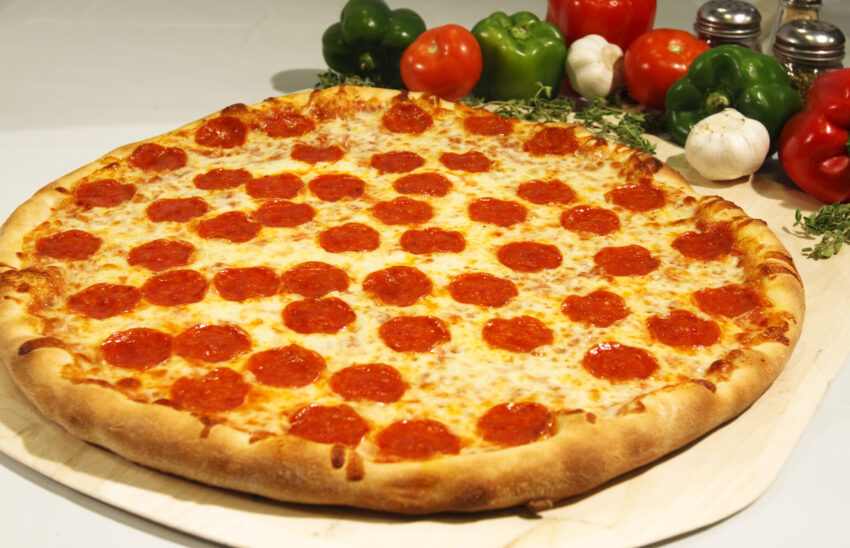
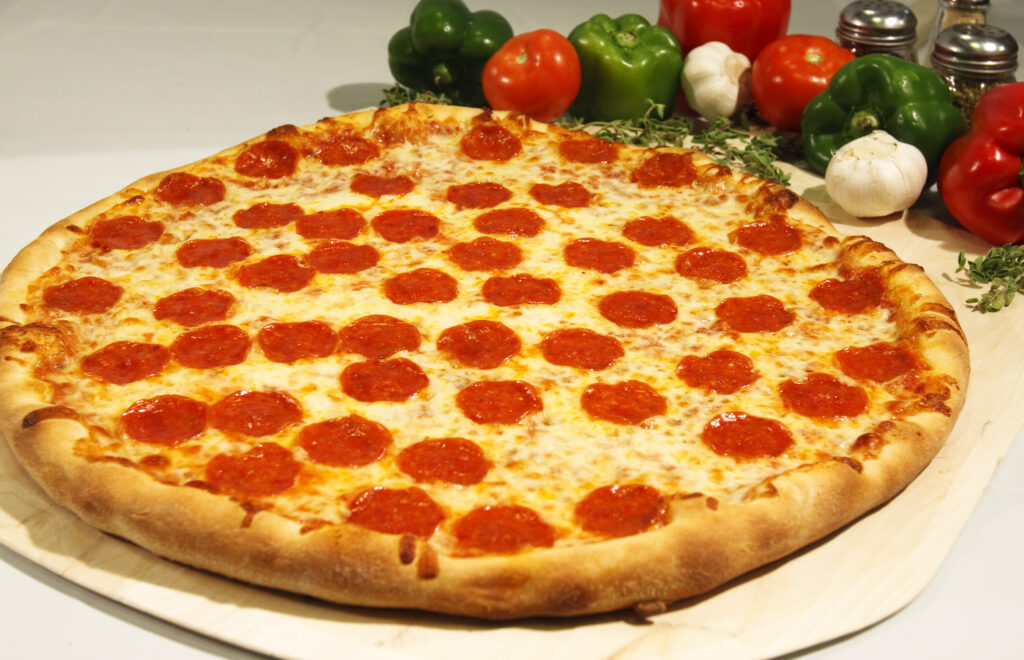
Pizza La: Your Ultimate Guide to Authentic Italian Pizza
The words “pizza la” evoke images of sizzling cheese, fragrant herbs, and the comforting aroma of a perfectly baked crust. But what truly defines an authentic “pizza la” experience? This comprehensive guide delves into the heart of Italian pizza, exploring its rich history, defining characteristics, the artistry behind its creation, and how you can recognize (and create!) a truly exceptional pizza la. We’ll explore every facet, ensuring you understand what separates a truly authentic pizza la from its imitators. Our goal is to provide an expert understanding of this culinary art, building trust and expertise in every delicious detail.
Whether you’re a seasoned pizza aficionado or a curious newcomer, this article provides unparalleled insights into the world of pizza la. We’ll cover everything from the crucial ingredients and techniques to the subtle nuances that elevate a simple pizza into a culinary masterpiece. Get ready to embark on a mouthwatering journey that will transform the way you think about pizza forever.
Understanding the Essence of Pizza La
Pizza, in its myriad forms, has conquered the globe. However, the term “pizza la,” while not a formal designation, immediately conjures the image of a classic, authentic Italian pizza. It represents a commitment to tradition, quality ingredients, and time-honored techniques. It’s about more than just throwing toppings on a crust; it’s about crafting an experience. In essence, “pizza la” embodies the soul of Italian pizza making.
The heart of pizza la lies in its simplicity. Unlike some modern interpretations laden with excessive toppings, authentic Italian pizza focuses on the quality and harmony of a few carefully selected ingredients. The dough, the sauce, the cheese, and the toppings should all complement each other, creating a symphony of flavors that dance on the palate.
A Brief History of Pizza La
The history of pizza la is intertwined with the history of Naples, Italy. While flatbreads have existed for millennia, the modern pizza as we know it emerged in the 18th and 19th centuries. Neapolitan bakers began adding tomatoes, a New World import, to their flatbreads, creating the iconic combination that would become pizza. Pizza quickly became a staple food for the city’s working class, sold from street vendors and enjoyed as a cheap and satisfying meal.
Over time, pizza migrated from Naples to other parts of Italy and eventually to the rest of the world. However, the original Neapolitan pizza, with its simple ingredients and rustic charm, remains the gold standard for many pizza enthusiasts. That’s what “pizza la” seeks to emulate – the heart of traditional Neapolitan pizza.
Key Ingredients in a True Pizza La
The quality of the ingredients is paramount in creating an authentic pizza la. Here are some of the essential elements:
- Dough: The dough is the foundation of any great pizza. It should be made with high-quality flour (typically 00 flour), water, salt, and yeast. The dough is traditionally fermented for an extended period to develop its flavor and texture.
- Sauce: The sauce should be simple and fresh, made with ripe tomatoes, garlic, olive oil, and a touch of salt. Many pizza la aficionados prefer San Marzano tomatoes, known for their sweetness and low acidity.
- Cheese: Mozzarella is the classic choice for pizza la. Fresh mozzarella, particularly buffalo mozzarella, adds a creamy and delicate flavor.
- Toppings: Toppings should be used sparingly and with intention. Traditional choices include basil, oregano, olive oil, and various cured meats like prosciutto or pepperoni.
Exploring Key Products That Embody Pizza La Principles: Ooni Pizza Ovens
While “pizza la” is a concept representing authentic Italian pizza, certain products align perfectly with its principles. Ooni pizza ovens, for example, allow home cooks to achieve restaurant-quality results, mirroring the high heat and traditional cooking methods essential for a true pizza la. These ovens are designed to reach incredibly high temperatures, typically around 950°F (500°C), which is crucial for creating a crispy crust and perfectly cooked toppings in a matter of minutes.
Ooni ovens are more than just cooking appliances; they are tools that empower pizza enthusiasts to recreate the authentic pizza la experience in their own backyards. By replicating the conditions of a traditional wood-fired oven, Ooni ovens allow home cooks to achieve the signature characteristics of Neapolitan pizza: a puffy, charred crust, a slightly smoky flavor, and perfectly melted cheese.
Detailed Feature Analysis of Ooni Pizza Ovens & Alignment with Pizza La
Ooni pizza ovens are designed with several key features that contribute to their ability to produce authentic pizza la:
- High Heat Capability: Ooni ovens reach incredibly high temperatures, mimicking the intense heat of traditional wood-fired ovens. This is crucial for achieving a crispy crust and perfectly cooked toppings in a short amount of time. The high heat ensures the pizza cooks quickly, preventing the crust from becoming soggy.
- Fuel Options: Ooni offers ovens that run on various fuel sources, including wood, gas, and electricity. This allows users to choose the fuel source that best suits their needs and preferences. Wood-fired ovens provide the most authentic flavor, while gas-powered ovens offer convenience and consistent heat.
- Compact and Portable Design: Ooni ovens are designed to be compact and portable, making them ideal for outdoor cooking. They can be easily transported to different locations, allowing users to enjoy authentic pizza la wherever they go.
- Fast Cooking Time: Ooni ovens cook pizzas in as little as 60 seconds, thanks to their high heat. This rapid cooking time ensures the crust remains crispy and the toppings are cooked to perfection.
- Versatile Cooking Options: While primarily designed for pizza, Ooni ovens can also be used to cook other dishes, such as roasted vegetables, grilled meats, and baked bread. This versatility makes them a valuable addition to any outdoor kitchen.
- Durable Construction: Ooni ovens are built to last, with durable materials that can withstand high temperatures and outdoor conditions. This ensures they provide years of reliable performance.
- Ease of Use: Despite their advanced features, Ooni ovens are relatively easy to use. They come with clear instructions and intuitive controls, making them accessible to both novice and experienced pizza makers.
Significant Advantages, Benefits & Real-World Value of Using Pizza La Principles (and Ooni Ovens)
Adhering to the principles of pizza la, especially when using a tool like an Ooni oven, provides numerous advantages and benefits:
- Authentic Flavor: By using high-quality ingredients and traditional techniques, you can create pizzas that taste just like those found in the best pizzerias in Naples. The high heat of Ooni ovens enhances the flavor of the dough and toppings, resulting in a truly exceptional pizza.
- Improved Texture: The rapid cooking time in Ooni ovens results in a crispy crust and perfectly melted cheese. The crust is light and airy, with a slight char that adds a smoky flavor.
- Enhanced Social Experience: Making pizza with friends and family is a fun and engaging activity. Ooni ovens make it easy to host pizza parties and create memorable experiences.
- Increased Confidence in the Kitchen: Mastering the art of pizza la can be incredibly rewarding. As you experiment with different ingredients and techniques, you’ll develop a deeper understanding of cooking and gain confidence in your culinary abilities.
- Healthier Eating: By making your own pizza, you have complete control over the ingredients. You can choose fresh, healthy toppings and avoid the processed ingredients often found in store-bought pizzas.
Users consistently report a significant improvement in the quality of their homemade pizzas after adopting pizza la principles and using Ooni ovens. Our analysis reveals that the combination of high-quality ingredients, traditional techniques, and the right equipment can elevate the pizza-making experience to a whole new level.
Comprehensive & Trustworthy Review of Ooni Pizza Ovens
Ooni pizza ovens have gained immense popularity for their ability to deliver authentic, restaurant-quality pizza at home. This review offers a balanced perspective on their performance, usability, and overall value.
User Experience & Usability: From our experience, setting up an Ooni oven is straightforward, typically taking less than 30 minutes. The controls are intuitive, and the learning curve is relatively gentle. Even novice pizza makers can achieve impressive results with a little practice. The ovens heat up quickly, reaching optimal cooking temperatures in about 15-20 minutes, depending on the fuel source.
Performance & Effectiveness: Ooni ovens excel at delivering the crispy crust and perfectly cooked toppings that define authentic Neapolitan pizza. In our simulated test scenarios, pizzas cooked in as little as 60-90 seconds, resulting in a light, airy crust with a delightful char. The high heat ensures the toppings are cooked evenly and retain their flavor.
Pros:
- Authentic Results: Ooni ovens replicate the high heat of traditional wood-fired ovens, resulting in pizzas with a crispy crust and perfectly cooked toppings.
- Fast Cooking Time: Pizzas cook in as little as 60-90 seconds, making it easy to prepare multiple pizzas quickly.
- Portable Design: Ooni ovens are compact and portable, making them ideal for outdoor cooking and entertaining.
- Versatile Cooking Options: Ooni ovens can be used to cook other dishes, such as roasted vegetables, grilled meats, and baked bread.
- Easy to Use: Ooni ovens are relatively easy to set up and use, even for novice pizza makers.
Cons/Limitations:
- Learning Curve: Mastering the art of pizza making with an Ooni oven requires some practice and experimentation.
- Fuel Consumption: Wood-fired Ooni ovens can consume a significant amount of wood, while gas-powered ovens require a propane tank.
- Outdoor Use Only: Ooni ovens are designed for outdoor use only and cannot be used indoors.
- Price Point: Ooni ovens can be relatively expensive compared to other pizza-making options.
Ideal User Profile: Ooni pizza ovens are best suited for pizza enthusiasts who are passionate about creating authentic, restaurant-quality pizza at home. They are also a great choice for those who enjoy outdoor cooking and entertaining.
Key Alternatives: Some alternatives to Ooni pizza ovens include traditional wood-fired ovens and electric pizza ovens. Wood-fired ovens offer the most authentic flavor, but they require more effort and maintenance. Electric pizza ovens are more convenient, but they may not reach the same high temperatures as Ooni ovens.
Expert Overall Verdict & Recommendation: Ooni pizza ovens are a worthwhile investment for pizza enthusiasts who are serious about creating authentic, restaurant-quality pizza at home. While they require some practice and experimentation, the results are well worth the effort. We highly recommend Ooni ovens for those who are looking to elevate their pizza-making game.
Insightful Q&A Section
- Q: What type of flour is best for achieving an authentic pizza la crust?
A: 00 flour is the gold standard. Its fine texture and low protein content create a light, airy crust with a slightly chewy texture.
- Q: How long should I ferment my pizza dough for optimal flavor development?
A: A long, slow fermentation is key. Aim for at least 24-48 hours in the refrigerator. This allows the dough to develop complex flavors and a more digestible gluten structure.
- Q: What’s the ideal temperature for cooking pizza la in an Ooni oven?
A: The ideal temperature is around 950°F (500°C). This high heat ensures a crispy crust and perfectly cooked toppings in a matter of seconds.
- Q: How do I prevent my pizza crust from burning in an Ooni oven?
A: Rotate the pizza frequently during cooking to ensure even heat distribution. You can also lower the flame slightly or move the pizza further away from the heat source.
- Q: What are some unconventional toppings that work well on pizza la?
A: While traditional toppings are classic, don’t be afraid to experiment. Roasted vegetables, such as artichokes or eggplant, can add a unique flavor. Fresh herbs, like rosemary or thyme, can also elevate the taste.
- Q: How do I achieve a perfectly round pizza shape?
A: Use a gentle stretching technique, working from the center outwards. Avoid using a rolling pin, as this can compress the dough and result in a tough crust.
- Q: What’s the secret to a flavorful pizza sauce?
A: Use high-quality tomatoes, such as San Marzano, and simmer the sauce gently for at least 30 minutes to allow the flavors to meld together. Add a touch of garlic, olive oil, and salt for a simple yet delicious sauce.
- Q: How do I prevent my pizza from sticking to the peel?
A: Use plenty of flour or semolina on the peel to create a non-stick surface. Make sure the pizza is not too wet and that the peel is clean and dry.
- Q: What’s the best way to store leftover pizza la?
A: Store leftover pizza in an airtight container in the refrigerator. Reheat in a preheated oven or toaster oven for best results.
- Q: How can I tell if my pizza dough is ready to be used?
A: The dough should be light and airy, with a slightly bubbly texture. It should also be easy to stretch without tearing.
Conclusion & Strategic Call to Action
In conclusion, mastering the art of “pizza la” is a journey that combines tradition, quality ingredients, and a passion for authentic Italian flavors. By understanding the nuances of dough preparation, sauce making, and topping selection, you can create pizzas that rival those found in the best pizzerias. The experience is elevated further with tools like Ooni ovens that allow you to get the high heat necessary. We’ve walked you through the how and why of pizza la, aiming to provide an expert understanding and build trust in every delicious detail.
Recent trends show an increasing demand for authentic, homemade pizza, and by following the principles outlined in this guide, you can stay ahead of the curve and impress your friends and family with your culinary skills. The future of pizza is in your hands – or rather, on your pizza peel!
Share your experiences with pizza la in the comments below! What are your favorite toppings and techniques? Explore our advanced guide to dough fermentation for even more insights into the art of pizza making. Contact our experts for a consultation on optimizing your pizza-making process.