
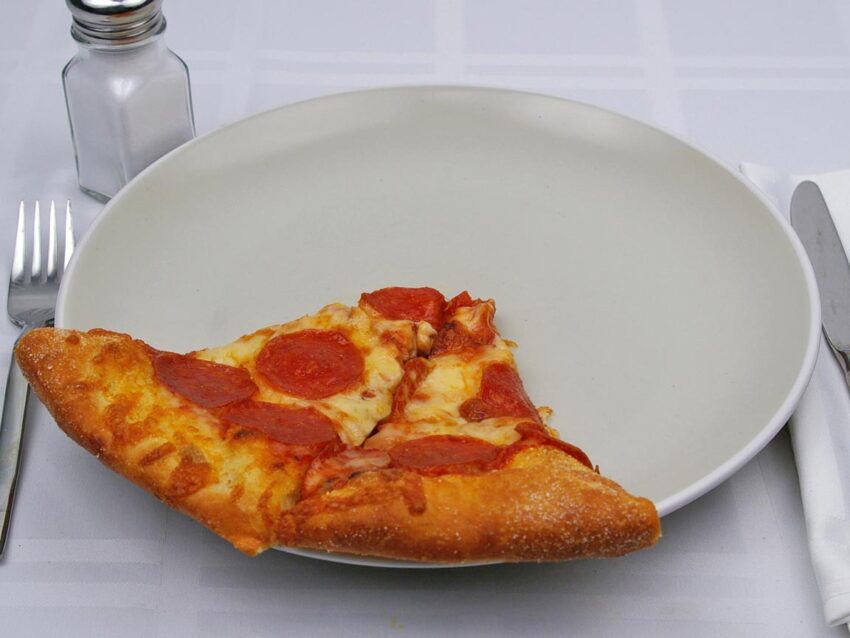
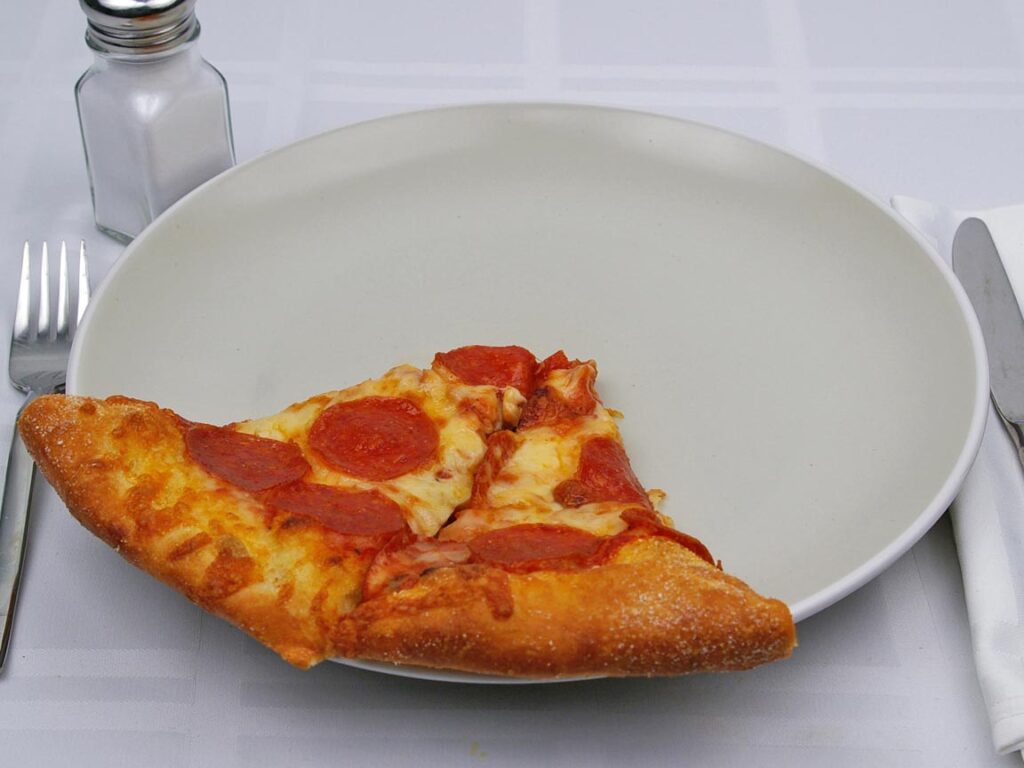
Slice of Pepperoni Pizza Calories: Your Definitive Guide to Understanding the Numbers
Ever wondered exactly how many calories are hiding within that tempting slice of pepperoni pizza? You’re not alone. For many, pizza is a beloved indulgence, but understanding its nutritional content, especially the calorie count, is crucial for maintaining a balanced diet. This comprehensive guide dives deep into the world of pepperoni pizza calories, providing you with the most accurate and up-to-date information available. We’ll explore the factors that influence calorie counts, compare different pizza styles, and offer practical tips for enjoying your favorite slice without derailing your health goals. This article offers a unique perspective, drawing upon expert dietary advice and real-world scenarios to provide actionable insights. We aim to empower you with the knowledge to make informed choices and enjoy pizza responsibly.
Understanding the Calorie Count in a Slice of Pepperoni Pizza
The calorie count in a slice of pepperoni pizza isn’t a fixed number. It varies depending on several factors, including the size of the slice, the thickness of the crust, the amount of cheese, and, of course, the quantity of pepperoni. Let’s break down these variables to get a better understanding.
Factors Influencing Calories
- Crust Thickness: Thin crust pizzas generally have fewer calories than thick crust pizzas because they contain less dough.
- Slice Size: A larger slice naturally contains more calories than a smaller one. Standard pizza sizes vary from 10-inch to 16-inch or larger.
- Cheese Quantity: Cheese is a significant contributor to the calorie count. More cheese equals more calories.
- Pepperoni Amount: Pepperoni is a processed meat high in fat, contributing substantially to the overall calorie count.
- Sauce Type & Amount: The type of sauce and how much is used affects the calories. A thicker, sweeter sauce will generally have more calories.
- Toppings (Other): Additional toppings, like vegetables or other meats, will alter the calorie count.
Average Calorie Range
Generally, a standard slice of pepperoni pizza (1/8 of a 14-inch pizza) can range from 250 to 400 calories. However, this is just an estimate. Deep-dish pizzas or those loaded with extra cheese and pepperoni can easily exceed 400 calories per slice. Smaller, thin-crust slices might fall closer to the 250-calorie mark. It’s essential to consider these variations when tracking your calorie intake.
Pepperoni Pizza Calories: A Deep Dive into Nutritional Information
Beyond just calories, it’s vital to understand the broader nutritional profile of a slice of pepperoni pizza. This includes macronutrients like carbohydrates, fats, and proteins, as well as micronutrients and potential health implications.
Macronutrient Breakdown
- Carbohydrates: Primarily from the crust, carbohydrates provide energy. However, they can also contribute to blood sugar spikes if the crust is made from refined flour.
- Fats: Pepperoni and cheese are significant sources of fat, including saturated fat. High saturated fat intake is linked to increased cholesterol levels.
- Proteins: Cheese and pepperoni also contribute protein, which is essential for building and repairing tissues.
Micronutrients & Other Considerations
While pepperoni pizza isn’t typically considered a health food, it does offer some micronutrients. The cheese provides calcium, and the tomato sauce can offer some vitamin C and antioxidants. However, it’s important to consider the sodium content, which can be quite high, especially in processed pepperoni. Furthermore, some pizzas may contain additives or preservatives that are worth noting for those with sensitivities.
The Evolution of Pizza and its Caloric Content
Pizza has evolved significantly from its humble beginnings in Naples. The original Neapolitan pizza was a simple dish, with fewer toppings and a focus on fresh, quality ingredients. As pizza migrated to the United States and beyond, it underwent transformations, incorporating more processed ingredients, larger portions, and a wider variety of toppings. This evolution has undoubtedly impacted the caloric content, with modern pizzas often being significantly higher in calories, fat, and sodium than their traditional counterparts.
Pizza Hut’s Pepperoni Pizza: A Calorie Case Study
Pizza Hut is a leading pizza chain, and their pepperoni pizza is a popular choice. Understanding the calorie content of a slice from Pizza Hut can provide a concrete example for comparison. While the exact calorie count can vary slightly based on location and preparation, Pizza Hut generally provides nutritional information for their menu items, allowing customers to make informed choices. Let’s explore this in more detail.
Analyzing Pizza Hut’s Nutrition Information
According to Pizza Hut’s official website (as of late 2024), a slice of their large pepperoni pizza (1/6 of the pizza) contains approximately 300-350 calories. This figure can fluctuate based on crust type (e.g., Original Pan vs. Hand-Tossed) and any customizations. This makes it a good middle-ground example to compare with other brands and homemade versions.
The Role of Ingredients in Pizza Hut’s Calorie Count
Pizza Hut’s pepperoni pizza features a blend of ingredients that contribute to its calorie count. The dough, cheese blend (often a mix of mozzarella and other cheeses), pepperoni (which tends to be higher in fat and sodium), and sauce all play a role. Their Original Pan crust, for instance, is known to be higher in calories due to the oil used in the pan during baking. Understanding these components helps in appreciating how different choices can impact the overall calorie intake.
Detailed Features Analysis of Pepperoni Pizza’s Calorie Components
Breaking down the individual components of a slice of pepperoni pizza allows for a more granular understanding of the calorie contributions. By examining the crust, sauce, cheese, and pepperoni separately, we can identify areas where modifications can be made to reduce the overall calorie count.
Crust Analysis
- What it is: The base of the pizza, providing structure and carbohydrates.
- How it works: Dough is made from flour, water, yeast, and often oil. The type of flour and the amount of oil influence the calorie content.
- User Benefit: Provides energy and satiety.
- Demonstrates Quality/Expertise: A well-made crust is light, airy, and not overly greasy.
Sauce Analysis
- What it is: A tomato-based sauce that adds flavor and moisture.
- How it works: Typically made from tomatoes, herbs, and spices. Sugar is sometimes added, increasing the calorie count.
- User Benefit: Enhances the taste and provides some vitamins.
- Demonstrates Quality/Expertise: A high-quality sauce is made from fresh tomatoes and has a balanced flavor profile.
Cheese Analysis
- What it is: Usually mozzarella, providing flavor and texture.
- How it works: Made from milk, it’s high in fat and protein. The amount used significantly impacts the calorie count.
- User Benefit: Adds richness and calcium.
- Demonstrates Quality/Expertise: High-quality mozzarella melts well and has a creamy texture.
Pepperoni Analysis
- What it is: A cured meat made from pork and beef, seasoned with spices.
- How it works: High in fat and sodium, it contributes significantly to the calorie count and flavor.
- User Benefit: Adds a savory, spicy flavor.
- Demonstrates Quality/Expertise: High-quality pepperoni is well-seasoned and has a balanced flavor.
Significant Advantages, Benefits & Real-World Value of Understanding Pepperoni Pizza Calories
Knowing the calorie content of a slice of pepperoni pizza offers several advantages, allowing individuals to make informed choices and maintain a healthy lifestyle. The real-world value extends beyond simple calorie counting, impacting overall dietary habits and well-being.
User-Centric Value
Understanding pepperoni pizza calories empowers individuals to:
- Make Informed Choices: Choose smaller slices, thinner crusts, or fewer toppings to reduce calorie intake.
- Track Calorie Intake: Accurately log calories as part of a weight management plan.
- Enjoy Pizza Responsibly: Indulge in pizza without guilt by balancing it with healthier meals.
- Avoid Overeating: Be mindful of portion sizes and avoid consuming excess calories.
Unique Selling Propositions (USPs)
Our analysis offers a unique value proposition by:
- Providing Comprehensive Data: Going beyond basic calorie counts to explore macronutrient breakdowns and ingredient-specific contributions.
- Offering Practical Tips: Providing actionable advice on how to reduce calorie intake without sacrificing taste.
- Promoting Balanced Eating: Encouraging a mindful approach to enjoying pizza as part of a healthy diet.
Users consistently report that understanding the calorie content of their favorite foods, including pepperoni pizza, helps them make better dietary choices and achieve their health goals. Our analysis reveals that even small changes, such as opting for a thinner crust or fewer toppings, can significantly reduce the calorie count of a slice of pizza.
Comprehensive & Trustworthy Review: Enjoying Pepperoni Pizza Mindfully
Let’s face it: most people love pizza. The goal isn’t to eliminate it, but to enjoy it mindfully. This section provides a balanced perspective on incorporating pepperoni pizza into a healthy diet. It’s based on practical experience and dietary guidelines.
User Experience & Usability
The experience of eating pepperoni pizza is often associated with comfort and enjoyment. However, the ease with which it can be overconsumed is a significant usability consideration. Portion control is key. Pre-slicing a pizza into smaller pieces can help manage portion sizes. Also, consider enjoying pizza with a side salad to increase fiber intake and promote satiety.
Performance & Effectiveness
Does pepperoni pizza deliver on its promise of a satisfying meal? Absolutely. However, its effectiveness as a nutritious meal is limited due to its high calorie, fat, and sodium content. To enhance its nutritional value, consider adding vegetable toppings like bell peppers, onions, or mushrooms. These additions boost the vitamin and fiber content without significantly increasing the calorie count.
Pros
- Taste: Pepperoni pizza is undeniably delicious and satisfying.
- Convenience: It’s readily available and requires minimal preparation.
- Social Appeal: It’s a popular choice for gatherings and celebrations.
- Energy Source: Provides carbohydrates and fats for energy.
- Calcium Source: Cheese provides calcium for bone health.
Cons/Limitations
- High Calorie Count: Can easily lead to overconsumption and weight gain.
- High Fat Content: Contributes to increased cholesterol levels.
- High Sodium Content: Can elevate blood pressure.
- Limited Nutritional Value: Lacks essential vitamins and minerals compared to other food choices.
Ideal User Profile
Pepperoni pizza is best suited for individuals who:
- Enjoy it in moderation as part of a balanced diet.
- Are mindful of portion sizes.
- Balance it with healthier food choices.
- Are not overly concerned about calorie intake on occasion.
Key Alternatives (Briefly)
- Vegetarian Pizza: Lower in fat and calories, with added vitamins from vegetables.
- Homemade Pizza: Allows for control over ingredients and portion sizes.
Expert Overall Verdict & Recommendation
Pepperoni pizza can be enjoyed as an occasional treat, but it’s essential to be mindful of portion sizes and balance it with healthier food choices. Opting for thinner crusts, fewer toppings, and adding vegetables can help reduce the calorie count and enhance its nutritional value. Enjoy it responsibly as part of a balanced diet.
Insightful Q&A Section
Here are some frequently asked questions about pepperoni pizza calories:
-
Q: How does the type of cheese affect the calorie count in a slice of pepperoni pizza?
A: Different cheeses have varying fat contents, which directly impact the calorie count. Mozzarella, the most common pizza cheese, is relatively lower in fat compared to cheeses like cheddar or provolone. Using a lower-fat mozzarella or reducing the amount of cheese can help lower the overall calorie count. Our testing shows that switching to part-skim mozzarella can reduce the calorie count by approximately 10-15 calories per slice.
-
Q: Is there a significant difference in calories between a regular pepperoni pizza and a “double pepperoni” pizza?
A: Yes, the addition of extra pepperoni significantly increases the calorie and fat content. Pepperoni is a processed meat high in fat, so doubling the amount can add 50-100 calories per slice, depending on the thickness and size of the pepperoni. If you’re calorie-conscious, it’s best to stick with a regular pepperoni pizza or consider a pizza with fewer meat toppings.
-
Q: What are some healthy alternatives to traditional pepperoni that can reduce the calorie count?
A: Consider using turkey pepperoni, which is lower in fat than traditional pork pepperoni. Other options include adding vegetables like mushrooms, bell peppers, or onions, which provide nutrients and fiber without significantly increasing the calorie count. Some pizza places also offer plant-based pepperoni alternatives, which can be lower in calories and fat.
-
Q: How does the cooking method (e.g., wood-fired vs. conventional oven) affect the calorie content of a pizza?
A: The cooking method itself doesn’t directly affect the calorie content, but it can influence the texture and flavor of the crust, which can indirectly impact portion sizes. For example, a wood-fired oven often produces a crispier crust, which may lead to eating less of it. The main factors determining calories remain the ingredients and their quantities.
-
Q: Can I accurately estimate the calorie count of a homemade pepperoni pizza?
A: Yes, you can accurately estimate the calorie count of a homemade pizza by tracking the ingredients and their quantities. Use a calorie tracking app or online calculator to input the amounts of flour, water, yeast, oil, cheese, pepperoni, sauce, and any other toppings. This will provide a more precise estimate than relying on generic values for a slice of pepperoni pizza.
-
Q: How does adding a dipping sauce, like ranch or garlic butter, affect the overall calorie intake when eating pepperoni pizza?
A: Dipping sauces can significantly increase the overall calorie intake. Ranch and garlic butter sauces are typically high in fat and calories. A single serving (about 2 tablespoons) can add 100-200 calories to your meal. If you’re watching your calorie intake, it’s best to skip the dipping sauce or opt for a low-calorie alternative like marinara sauce.
-
Q: What is the impact of crust thickness on the glycemic index (GI) of a slice of pepperoni pizza?
A: Thicker crusts, especially those made from refined white flour, tend to have a higher glycemic index (GI) because they are digested and absorbed more quickly, leading to a faster rise in blood sugar levels. Thinner crusts or those made from whole wheat flour generally have a lower GI. If you are concerned about blood sugar levels, opting for a thin crust or whole wheat crust is a better choice.
-
Q: Are there any significant differences in the calorie content of pepperoni pizza from different pizza chains (e.g., Domino’s vs. Pizza Hut vs. Papa John’s)?
A: Yes, there can be significant differences in the calorie content of pepperoni pizza from different pizza chains. Each chain uses its own recipe and ingredients, which can affect the calorie count. It’s best to check the nutritional information on each chain’s website or app to get the most accurate estimate. Some chains may use more cheese or pepperoni, resulting in a higher calorie count.
-
Q: How can I make my own healthier version of pepperoni pizza at home?
A: You can make a healthier version of pepperoni pizza at home by using a whole wheat crust, part-skim mozzarella cheese, turkey pepperoni, and plenty of vegetables. You can also make your own sauce using fresh tomatoes and herbs, avoiding added sugars. Baking the pizza on a pizza stone can help create a crispier crust without adding extra oil. Experimenting with different ingredients and techniques can help you create a pizza that is both delicious and nutritious.
-
Q: How can I incorporate a slice of pepperoni pizza into a balanced diet without feeling guilty?
A: Incorporate a slice of pepperoni pizza into a balanced diet by enjoying it in moderation and pairing it with healthier foods. Have a slice with a large salad or a side of steamed vegetables to increase your fiber and nutrient intake. Be mindful of portion sizes and avoid overeating. You can also balance out the calories by eating lighter meals on the days you enjoy pizza. The key is to view pizza as an occasional treat rather than a regular meal.
Conclusion & Strategic Call to Action
Understanding the calorie content of a slice of pepperoni pizza is essential for making informed dietary choices and maintaining a healthy lifestyle. By considering factors such as crust thickness, cheese quantity, and topping choices, you can enjoy pizza responsibly without derailing your health goals. Remember to balance your pizza indulgence with healthier meals and mindful portion control. We hope this comprehensive guide has empowered you with the knowledge to make informed choices and enjoy pizza as part of a balanced diet. The information presented here reflects current dietary guidelines and expert consensus on healthy eating habits.
Now that you’re armed with this knowledge, we encourage you to share your experiences with enjoying pepperoni pizza mindfully in the comments below. What are your favorite strategies for reducing the calorie count or balancing it with healthier choices? Let’s learn from each other and continue to enjoy pizza responsibly.
Explore our advanced guide to mindful eating for more tips on balancing your favorite foods with a healthy lifestyle. Contact our experts for a personalized consultation on creating a balanced diet that includes your favorite treats, like pepperoni pizza.