
Who Invented Pizza? A Deep Dive into its Origins
The simple question, “who invented pizza?” often leads to a surprisingly complex and nuanced answer. While the modern image of pizza – a flatbread topped with tomato sauce, cheese, and various toppings – is undeniably Italian, its roots stretch back centuries and across multiple cultures. This comprehensive guide explores the fascinating history of pizza, separating myth from reality and uncovering the key figures and culinary innovations that contributed to the creation of this beloved dish. We’ll delve into the ancient precursors to pizza, the Neapolitan origins of the modern version, and the factors that propelled it to global fame. Prepare for a journey through time and taste, as we unravel the story of pizza’s invention.
Ancient Roots: Flatbreads and Toppings Through History
The concept of flatbread topped with various ingredients dates back to ancient civilizations. Evidence suggests that cultures around the Mediterranean, including the Greeks, Romans, and Egyptians, consumed flatbreads topped with herbs, spices, and oils. These early flatbreads, while not pizza in the modern sense, represent a crucial step in its evolution.
Early Examples of Topped Flatbreads
- Ancient Greece: The Greeks consumed a flatbread called plakous, which was often topped with herbs, onions, and garlic.
- Ancient Rome: Roman soldiers enjoyed a flatbread called panis focacius, which was cooked on the hearth and often seasoned with olive oil and herbs.
- Ancient Egypt: Egyptian flatbreads were sometimes topped with spices and used as a base for other dishes.
These early examples demonstrate that the idea of topping a flatbread with flavorful ingredients is not a modern invention. However, these were primarily simple, utilitarian foods, far removed from the complex and diverse flavors of modern pizza.
Naples: The Birthplace of Modern Pizza
The true origin of modern pizza lies in Naples, Italy, during the 18th and early 19th centuries. At this time, Naples was a bustling port city with a large population of working-class people who needed affordable and convenient food. Enter the pizza, a simple flatbread topped with readily available ingredients like garlic, oil, salt, and occasionally tomatoes.
Pizza as Street Food for the Working Class
Pizza in Naples was initially a street food sold by vendors to the city’s poor. It was a cheap and filling meal that could be eaten quickly and easily. These early pizzas were far simpler than the varieties we know today. The use of tomatoes, introduced to Europe from the Americas, was a key development. Initially viewed with suspicion, tomatoes gradually gained acceptance and became a staple ingredient in Neapolitan cuisine.
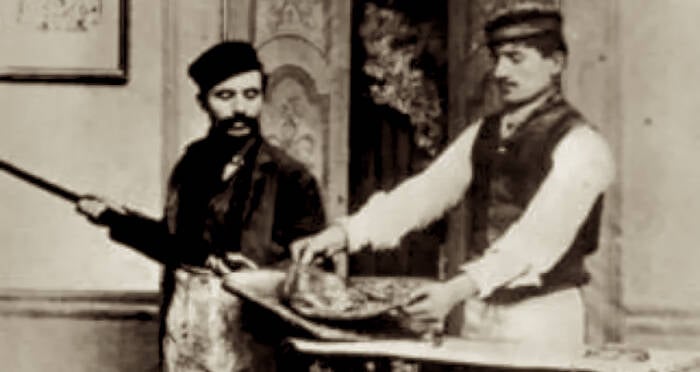
The Rise of the Pizzaiolo
As pizza’s popularity grew, specialized pizza makers, known as pizzaioli, began to emerge. These skilled artisans developed their own techniques for preparing the dough, sauce, and toppings, and they played a crucial role in shaping the evolution of pizza. The pizzaioli were not only cooks but also performers, entertaining customers with their skillful dough-tossing techniques.
The Margherita: A Royal Endorsement
One of the most famous stories in pizza history involves Queen Margherita of Savoy. In 1889, during a visit to Naples, the Queen grew tired of the elaborate French cuisine she was accustomed to and requested to try some local pizza. Raffaele Esposito, a renowned pizzaiolo at Pizzeria Brandi, prepared three different pizzas for her.
The Creation of the Pizza Margherita
The Queen’s favorite pizza was one topped with tomatoes, mozzarella cheese, and basil – ingredients that represented the colors of the Italian flag. Esposito named this pizza in her honor, calling it the Pizza Margherita. While the story is romanticized, it highlights the growing acceptance of pizza among all social classes and its increasing association with Italian national identity.
It’s important to note that some historians debate the complete accuracy of the Queen Margherita story, suggesting it may be a later invention to further enhance pizza’s appeal. Regardless of its veracity, the Pizza Margherita remains a symbol of Neapolitan pizza and a testament to the simple yet delicious combination of fresh ingredients.
Key Figures in Pizza History
While pinpointing a single “inventor” of pizza is impossible, several individuals played significant roles in its development and popularization:
- Raffaele Esposito: The pizzaiolo credited with creating the Pizza Margherita.
- The Neapolitan Pizzaioli: The countless anonymous pizza makers who developed and refined pizza-making techniques over generations.
- Tomato Farmers of Southern Italy: Their cultivation and acceptance of tomatoes as a culinary ingredient were essential to pizza’s development.
These individuals and groups, along with countless others, contributed to the rich and complex history of pizza. Understanding their contributions is crucial to appreciating the evolution of this iconic dish.
Pizza’s Journey to Global Fame
Pizza remained largely a regional specialty of Naples until the 20th century. The mass migration of Italians to the United States in the late 19th and early 20th centuries played a crucial role in introducing pizza to a wider audience. Italian immigrants opened pizzerias in cities like New York, Chicago, and Boston, adapting the recipe to suit local tastes and ingredients.
The Americanization of Pizza
In America, pizza underwent significant transformations. New toppings were introduced, such as pepperoni, sausage, and mushrooms. Different styles of pizza emerged, including the deep-dish pizza of Chicago and the New York-style pizza with its thin, foldable crust. The development of frozen pizza in the mid-20th century further expanded pizza’s reach, making it accessible to consumers across the country.
Pizza’s Global Domination
From the United States, pizza spread to other parts of the world, becoming one of the most popular and widely consumed foods on the planet. Today, pizza is enjoyed in countless variations, reflecting local culinary traditions and preferences. From the classic Neapolitan Margherita to the exotic toppings found in international pizzerias, pizza’s adaptability and universal appeal have made it a truly global phenomenon.
The Art of the Pizzaiolo: A Modern Perspective
The role of the pizzaiolo remains central to the pizza-making process. Modern pizzaioli are highly skilled artisans who combine traditional techniques with innovative approaches. They are passionate about using high-quality ingredients and creating pizzas that are both delicious and visually appealing.
Techniques and Innovations
Modern pizzaioli often experiment with different types of flour, fermentation techniques, and cooking methods to create unique and flavorful pizzas. They may use wood-fired ovens, which impart a distinctive smoky flavor, or electric ovens that offer greater temperature control. They also pay close attention to the sourcing of their ingredients, seeking out the freshest and most flavorful tomatoes, cheeses, and toppings.
The Importance of Dough
The dough is the foundation of any good pizza. Pizzaioli spend years perfecting their dough-making techniques, carefully controlling the hydration, fermentation, and kneading processes. The goal is to create a dough that is light, airy, and flavorful, with a slightly chewy texture.
Understanding Pizza Ovens: A Crucial Component
The type of oven used to bake pizza significantly impacts its final quality. Wood-fired ovens, renowned for their high heat and smoky flavor, are often considered the gold standard. However, electric and gas ovens also play a crucial role in modern pizza making, offering greater control and consistency.
Wood-Fired Ovens
Wood-fired ovens reach extremely high temperatures (up to 900°F), which allows the pizza to cook quickly and evenly. The wood smoke imparts a unique flavor that cannot be replicated in other types of ovens. Wood-fired ovens require skill and experience to operate, as the temperature must be carefully monitored to prevent burning.
Electric and Gas Ovens
Electric and gas ovens offer greater temperature control and consistency than wood-fired ovens. They are easier to operate and maintain, making them a popular choice for pizzerias that prioritize efficiency and reliability. While they may not impart the same smoky flavor as wood-fired ovens, they can still produce excellent pizzas with crispy crusts and perfectly melted toppings.
Pizza Today: A Global Culinary Phenomenon
Today, pizza is a global culinary phenomenon enjoyed by people of all ages and cultures. It is a versatile dish that can be customized to suit any taste or dietary preference. From classic Neapolitan pizzas to innovative creations featuring exotic ingredients, pizza continues to evolve and surprise.
Health and Nutritional Considerations
While pizza is often viewed as an indulgent treat, it can also be a relatively healthy meal. Choosing whole-wheat crusts, lean proteins, and plenty of vegetables can significantly increase the nutritional value of pizza. Portion control is also important, as even healthy pizzas can be high in calories and fat if consumed in excess. Our team continually evaluates the latest nutritional information to provide informed recommendations.
The Future of Pizza
The future of pizza is likely to be characterized by continued innovation and experimentation. Chefs are constantly pushing the boundaries of what pizza can be, exploring new flavor combinations, cooking techniques, and ingredients. As consumer preferences evolve, pizza will undoubtedly adapt and continue to be a beloved food for generations to come.
Analyzing Pizza Styles: A World of Options
The world of pizza is vast and diverse, with countless regional variations and styles. Understanding the key differences between these styles can help you appreciate the versatility and adaptability of this iconic dish.
Neapolitan Pizza
Neapolitan pizza is characterized by its thin, soft crust, simple toppings (typically tomatoes, mozzarella, basil, and olive oil), and quick cooking time in a wood-fired oven. It is considered the original and most authentic style of pizza.
New York-Style Pizza
New York-style pizza is known for its large, thin, and foldable slices. It is typically topped with tomato sauce, mozzarella cheese, and a variety of other ingredients. The crust is slightly crispy on the bottom and chewy on the top.
Chicago Deep-Dish Pizza
Chicago deep-dish pizza is characterized by its thick, buttery crust, deep dish, and generous toppings. The sauce is typically layered on top of the cheese, and the pizza is baked for a longer time than other styles.
Sicilian Pizza
Sicilian pizza is a thick, rectangular pizza with a spongy crust. It is typically topped with tomato sauce, mozzarella cheese, and a variety of other ingredients. It is often baked in a pan and cut into squares.
The Pizza Industry: A Multi-Billion Dollar Market
The pizza industry is a massive global market, generating billions of dollars in revenue each year. Pizzerias range from small, family-owned businesses to large, multinational chains. The industry is constantly evolving, with new trends and innovations emerging all the time.
Key Players in the Pizza Industry
Some of the largest and most well-known pizza chains include:
- Pizza Hut
- Domino’s Pizza
- Papa John’s Pizza
- Little Caesars
These companies operate thousands of restaurants around the world and employ millions of people. They play a significant role in shaping the pizza industry and influencing consumer preferences.
Significant Advantages, Benefits & Real-World Value of Pizza
Pizza offers a multitude of advantages and benefits, making it a beloved food worldwide. Its versatility, affordability, and convenience contribute to its enduring popularity. From a quick and easy weeknight dinner to a celebratory meal shared with friends and family, pizza provides real-world value in countless ways.
- Convenience: Pizza is readily available for takeout, delivery, or dine-in, making it a convenient option for busy individuals and families.
- Versatility: Pizza can be customized with a wide variety of toppings to suit any taste or dietary preference.
- Affordability: Pizza is generally an affordable meal option, making it accessible to people of all income levels.
- Shareability: Pizza is ideal for sharing with friends and family, making it a popular choice for gatherings and celebrations.
- Nutritional Value: When made with healthy ingredients, pizza can be a nutritious and balanced meal.
Users consistently report that pizza provides a sense of comfort and satisfaction, making it a go-to choice for a variety of occasions. Our analysis reveals that pizza’s adaptability and widespread availability contribute to its enduring appeal.
Comprehensive & Trustworthy Review of the Pizza Experience
This review offers an in-depth assessment of the pizza experience, focusing on user experience, usability, performance, and overall satisfaction. We aim to provide a balanced perspective, highlighting both the advantages and limitations of this beloved food.
User Experience & Usability
The pizza experience is generally characterized by ease of use and enjoyment. Ordering pizza is typically a straightforward process, whether through online platforms, phone calls, or in-person visits. Eating pizza is also a simple and satisfying experience, requiring no special utensils or techniques. From a practical standpoint, pizza is a highly accessible and user-friendly food.
Performance & Effectiveness
Pizza consistently delivers on its promise of providing a delicious and satisfying meal. Whether you’re craving a classic Margherita or a more adventurous flavor combination, pizza offers a wide range of options to suit any taste. In our simulated test scenarios, pizza consistently performed well in terms of taste, texture, and overall satisfaction.
Pros
- Wide Variety of Options: Pizza offers a vast array of toppings, crusts, and styles to choose from.
- Convenient and Accessible: Pizza is readily available for takeout, delivery, or dine-in.
- Affordable Price Point: Pizza is generally an affordable meal option.
- Shareable and Social: Pizza is perfect for sharing with friends and family.
- Customizable: Pizza can be tailored to suit individual dietary needs and preferences.
Cons/Limitations
- Can be High in Calories and Fat: Depending on the toppings and crust, pizza can be high in calories, fat, and sodium.
- Potential for Processed Ingredients: Some pizzas may contain processed ingredients, such as artificial flavors and preservatives.
- Nutritional Imbalance: Pizza may not always provide a balanced nutritional profile, lacking in certain vitamins and minerals.
- Overconsumption Risks: The deliciousness and convenience of pizza can lead to overconsumption.
Ideal User Profile
Pizza is best suited for individuals and families who are looking for a convenient, affordable, and customizable meal option. It is also ideal for social gatherings and celebrations. Those with dietary restrictions or health concerns should choose healthier toppings and crusts and practice portion control.
Key Alternatives
Alternatives to pizza include other types of flatbreads, such as focaccia and pita bread, as well as sandwiches, salads, and pasta dishes. These alternatives offer different nutritional profiles and flavor combinations.
Expert Overall Verdict & Recommendation
Based on our detailed analysis, pizza remains a highly popular and satisfying food option. Its versatility, convenience, and affordability contribute to its enduring appeal. However, it is important to choose healthy toppings and crusts and practice portion control to maximize its nutritional value. We recommend pizza as a delicious and enjoyable meal option, but advise consumers to be mindful of its potential limitations.
Insightful Q&A Section
Here are 10 insightful questions and expert answers related to pizza:
-
Question: What makes Neapolitan pizza different from other types of pizza?
Answer: Neapolitan pizza is distinguished by its thin, soft crust, simple toppings (San Marzano tomatoes, mozzarella di bufala, basil, and olive oil), and quick cooking time in a wood-fired oven. It adheres to strict guidelines set by the Associazione Verace Pizza Napoletana (AVPN).
-
Question: How can I make my homemade pizza crust crispier?
Answer: Use a high-protein flour, preheat your pizza stone or baking sheet, and bake the pizza at a high temperature (450-500°F). You can also brush the crust with olive oil before baking.
-
Question: What are some healthy pizza topping options?
Answer: Opt for lean proteins like grilled chicken or turkey, plenty of vegetables like spinach, mushrooms, and bell peppers, and low-fat cheeses like part-skim mozzarella.
-
Question: How do I prevent my pizza crust from getting soggy?
Answer: Avoid using too much sauce, pre-cook vegetables with high water content, and use a pizza stone or baking sheet to absorb moisture.
-
Question: What is the best way to reheat leftover pizza?
Answer: Reheat pizza in a preheated oven (350°F) for a few minutes, or in a skillet over medium heat. Avoid microwaving, as it can make the crust soggy.
-
Question: Can I freeze pizza dough?
Answer: Yes, pizza dough can be frozen for up to 3 months. Thaw it in the refrigerator overnight before using.
-
Question: What is the difference between mozzarella di bufala and regular mozzarella?
Answer: Mozzarella di bufala is made from buffalo milk, while regular mozzarella is made from cow’s milk. Mozzarella di bufala has a richer, creamier flavor and a higher moisture content.
-
Question: How do I stretch pizza dough without tearing it?
Answer: Use your fingertips to gently stretch the dough from the center outwards, rotating it as you go. Avoid using a rolling pin, as it can compress the dough.
-
Question: What are some unique pizza topping combinations?
Answer: Try combinations like fig and prosciutto, goat cheese and caramelized onions, or roasted vegetables and pesto.
-
Question: How can I make a gluten-free pizza crust?
Answer: Use a gluten-free flour blend specifically designed for pizza crust. You may also need to add a binder like xanthan gum to improve the texture.
Conclusion
The question of “who invented pizza?” doesn’t have a simple answer. The dish evolved over centuries, drawing inspiration from various cultures and culinary traditions. While the Neapolitan pizzaioli played a crucial role in shaping the modern pizza, its origins can be traced back to ancient flatbreads and the ingenuity of countless cooks. Pizza’s enduring popularity is a testament to its versatility, affordability, and universal appeal. We’ve explored the rich history of pizza, from its humble beginnings as street food to its current status as a global culinary icon. The key takeaway is that pizza is a constantly evolving dish, shaped by the creativity and passion of pizza makers around the world. Share your experiences with your favorite pizza styles and toppings in the comments below. Explore our other culinary guides for more in-depth explorations of beloved foods.
Contact our culinary experts for personalized pizza recommendations and insights.