
Dog Ate Pizza: A Comprehensive Guide to Keeping Your Pup Safe
Oh no! Your furry friend just devoured a slice (or maybe the whole pie!) of pizza. If your dog ate pizza, you’re likely concerned and searching for answers. This comprehensive guide provides expert advice on what to do immediately, potential health risks, long-term considerations, and how to prevent this from happening again. We’ll cover everything you need to know to ensure your dog’s safety and well-being. This article aims to be the most thorough and trustworthy resource available on the subject, drawing on veterinary insights and practical experience to provide you with the best possible guidance.
Understanding the Risks When Your Dog Ate Pizza
While a small nibble of plain pizza crust might not cause immediate alarm, the ingredients typically found in pizza pose several potential health risks to dogs. Understanding these dangers is the first step in ensuring your dog receives the appropriate care.
The Dangers of Common Pizza Ingredients for Dogs
- Onions and Garlic: These are toxic to dogs, even in small amounts. They can damage red blood cells and lead to anemia.
- Cheese: Many dogs are lactose intolerant, leading to digestive upset like diarrhea and vomiting. High-fat cheeses can also contribute to pancreatitis.
- Tomato Sauce: While tomatoes are generally safe in small quantities, the acidity in tomato sauce can irritate a dog’s stomach. Additionally, some sauces contain garlic and onions.
- Pepperoni and Sausage: These processed meats are high in fat and salt, which can cause digestive problems and potentially pancreatitis. They often contain spices that are harmful to dogs.
- Dough: Raw dough is incredibly dangerous. The yeast can expand in the stomach, causing bloating, pain, and potentially a life-threatening condition called gastric dilatation-volvulus (GDV), or bloat. Cooked dough, while less dangerous, can still cause digestive issues.
- Grease: The high fat content in pizza grease can lead to pancreatitis, a serious inflammation of the pancreas.
- Xylitol: While less common in pizza itself, some sugar-free toppings or desserts consumed alongside pizza may contain xylitol, an artificial sweetener that is extremely toxic to dogs and can cause liver failure and death.
Immediate Actions to Take After Your Dog Ate Pizza
If you witness your dog eating pizza, or suspect they have, follow these steps immediately:
- Assess the Situation: Determine how much pizza your dog ate and what ingredients it contained. This information will be crucial when you contact your veterinarian.
- Contact Your Veterinarian or an Animal Poison Control Center: This is the most important step. Your vet can assess the potential risks based on your dog’s size, breed, and the pizza’s ingredients. They may recommend inducing vomiting or bringing your dog in for observation. The ASPCA Animal Poison Control Center (APCC) is a valuable resource, but a consultation fee may apply.
- Monitor Your Dog Closely: Watch for any signs of illness, such as vomiting, diarrhea, lethargy, abdominal pain, excessive drooling, or difficulty breathing. Note the time these symptoms appear.
- Do Not Induce Vomiting Unless Directed By a Veterinarian: Inducing vomiting can be dangerous if your dog is already weak or if the pizza contained ingredients that could cause further damage if regurgitated.
Pancreatitis in Dogs: A Serious Risk from Eating Pizza
One of the most significant risks associated with a dog eating pizza is pancreatitis. This condition involves inflammation of the pancreas, an organ responsible for producing enzymes that aid in digestion and regulating blood sugar. The high fat content in pizza, especially pepperoni and cheese, can trigger pancreatitis in susceptible dogs.
Symptoms of Pancreatitis in Dogs
Symptoms of pancreatitis can range from mild to severe and may include:
- Vomiting
- Diarrhea
- Abdominal pain (indicated by a hunched posture or reluctance to be touched)
- Loss of appetite
- Lethargy
- Dehydration
- Fever
If you observe any of these symptoms after your dog has eaten pizza, seek immediate veterinary care. Pancreatitis can be life-threatening if left untreated. Prompt diagnosis and treatment, which may include intravenous fluids, pain medication, and anti-nausea medication, are crucial for recovery.
Long-Term Health Implications of Dogs Eating Pizza
Even if your dog appears to recover quickly after eating pizza, there can be long-term health implications to consider. Repeated episodes of dietary indiscretion, like eating pizza or other fatty foods, can increase the risk of chronic pancreatitis and other digestive issues.
Dietary Management for Dogs with Sensitive Stomachs
If your dog has a sensitive stomach or has experienced digestive problems after eating pizza, it’s essential to implement a strict dietary management plan. This may involve:
- Feeding a High-Quality, Easily Digestible Dog Food: Look for foods formulated for sensitive stomachs or with limited ingredients.
- Avoiding Table Scraps and Human Food: This is crucial. Even small amounts of human food can trigger digestive upset.
- Introducing New Foods Gradually: If you need to change your dog’s diet, do so slowly over several days to avoid digestive disturbances.
- Consulting with a Veterinary Nutritionist: A veterinary nutritionist can help you develop a customized diet plan that meets your dog’s specific needs.
Preventing Your Dog from Eating Pizza in the Future
Prevention is always the best medicine. Here are some strategies to prevent your dog from accessing pizza and other potentially harmful foods:
- Keep Pizza Out of Reach: Store pizza in a secure location, such as a closed cabinet or refrigerator.
- Supervise Your Dog: When you’re eating pizza, keep a close eye on your dog to prevent them from sneaking a bite.
- Train Your Dog: Teach your dog commands like “leave it” and “stay” to help them resist the temptation to eat food they shouldn’t. Positive reinforcement training can be highly effective.
- Secure Trash Cans: Use trash cans with secure lids to prevent your dog from scavenging for discarded pizza crusts or leftovers.
- Educate Family and Friends: Make sure everyone in your household and any visitors are aware of the dangers of feeding dogs human food.
Alternative Treats for Your Dog
Instead of sharing pizza with your dog, offer them healthy and safe treats specifically designed for canine consumption. There are many options available, including:
- Commercial Dog Treats: Choose treats that are made with high-quality ingredients and are appropriate for your dog’s size and age.
- Fruits and Vegetables: Many fruits and vegetables are safe and healthy for dogs in moderation. Good choices include carrots, apples (without the core and seeds), blueberries, and cucumbers.
- Homemade Dog Treats: You can make your own dog treats using simple ingredients like oats, peanut butter (xylitol-free), and pumpkin.
Expert Opinion: What Veterinary Professionals Say About Dogs and Pizza
According to leading veterinary professionals, the consensus is clear: pizza is not a safe or healthy food for dogs. The risks associated with the ingredients, high fat content, and potential for pancreatitis far outweigh any perceived benefits. Veterinary nutritionists emphasize the importance of feeding dogs a balanced and complete diet specifically formulated for their nutritional needs.
Pizza for Dogs: A Dangerous Trend
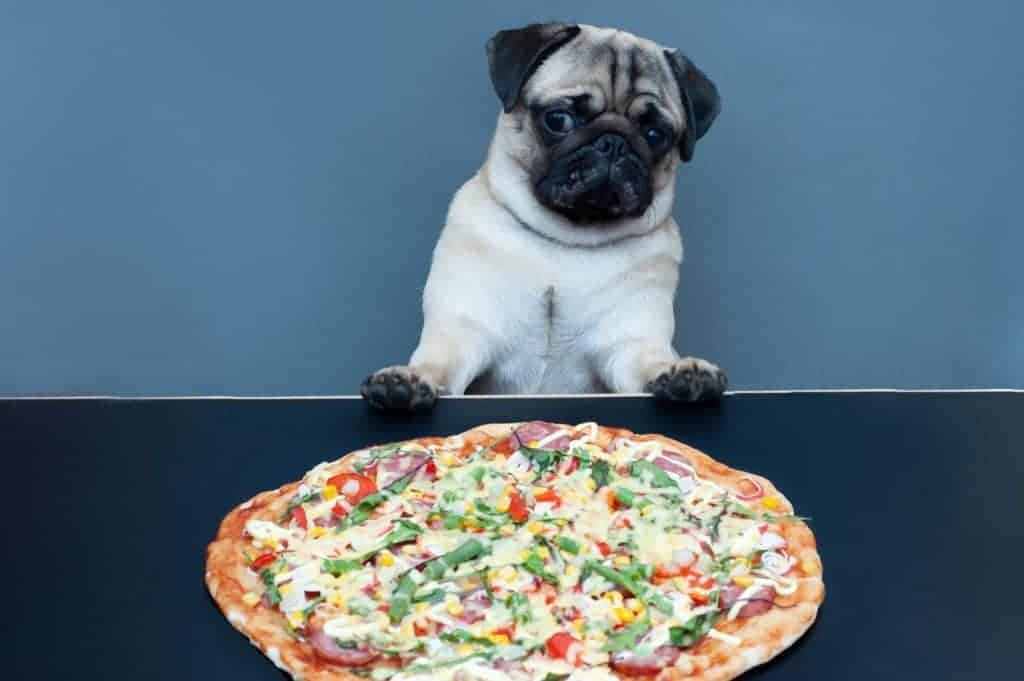
The rise of social media has led to some concerning trends, including people sharing images and videos of their dogs eating pizza. While these images may seem harmless, they can normalize the practice and encourage others to feed their dogs potentially dangerous foods. It’s important to remember that dogs have different dietary needs than humans, and what’s safe for us may not be safe for them.
Understanding Dog Digestion and Food Sensitivities
Dogs have a different digestive system than humans, making them more susceptible to certain food sensitivities and intolerances. Their digestive tracts are shorter, and they produce different enzymes. This is why certain foods that are safe for humans can be harmful or even toxic to dogs. It’s crucial to be aware of these differences and to avoid feeding your dog foods that could cause digestive upset or other health problems.
Common Food Allergies and Intolerances in Dogs
Some of the most common food allergies and intolerances in dogs include:
- Dairy
- Wheat
- Soy
- Corn
- Beef
- Chicken
If you suspect your dog has a food allergy or intolerance, consult with your veterinarian. They can help you identify the offending ingredient and develop a diet plan that avoids it.
Dog Ate Pizza: What Research Shows
While there aren’t specific studies on “dog ate pizza,” numerous studies address the individual components and their effects on canine health. Research consistently highlights the dangers of onions and garlic toxicity, the prevalence of lactose intolerance in dogs, and the link between high-fat diets and pancreatitis. These studies underscore the importance of avoiding feeding dogs pizza and other potentially harmful human foods.
Pizza Dough vs. Cooked Pizza: Different Risks
It’s important to distinguish between the dangers of raw pizza dough and cooked pizza. Raw pizza dough is significantly more dangerous due to the active yeast. As mentioned earlier, the yeast can expand in the stomach, causing bloating and potentially life-threatening GDV. Cooked pizza, while less dangerous, still poses risks due to the ingredients and high fat content.
The Role of Probiotics in Supporting Dog Gut Health
If your dog has eaten pizza and experienced digestive upset, probiotics can help restore balance to their gut microbiome. Probiotics are beneficial bacteria that support healthy digestion and immune function. They can help alleviate symptoms like diarrhea and vomiting and promote a faster recovery.
Choosing the Right Probiotic for Your Dog
When choosing a probiotic for your dog, look for a product specifically formulated for canine use. Consult with your veterinarian to determine the best probiotic strain and dosage for your dog’s individual needs.
Q&A: Expert Answers to Your Dog Ate Pizza Questions
- Q: My dog ate a small piece of plain pizza crust. Should I be worried?
A: While a small amount of plain crust is less concerning than a slice loaded with toppings, it’s still best to monitor your dog for any signs of digestive upset. The dough itself can be difficult to digest. Contact your vet if you notice any vomiting, diarrhea, or lethargy. - Q: How long after eating pizza will my dog show symptoms of poisoning?
A: Symptoms can appear anywhere from a few hours to a few days after ingestion, depending on the amount of toxic ingredients consumed and your dog’s individual sensitivity. Onion and garlic toxicity can take a few days to manifest. - Q: My dog ate pizza with mushrooms. Are mushrooms dangerous for dogs?
A: While many commercially grown mushrooms are safe for dogs, it’s best to err on the side of caution. Some wild mushrooms are highly toxic. If you’re unsure about the type of mushroom on the pizza, contact your vet or an animal poison control center. - Q: Can I give my dog Pepto-Bismol after they ate pizza?
A: Pepto-Bismol can be toxic to dogs, especially in large doses. It contains salicylate, which can cause stomach ulcers and other complications. Never give your dog Pepto-Bismol without consulting with your veterinarian first. - Q: My dog seems fine after eating pizza. Does that mean they’re out of the woods?
A: Even if your dog appears fine initially, it’s still important to monitor them closely for several days. Some symptoms, like those associated with onion or garlic toxicity, can take time to develop. Also, pancreatitis can sometimes have a delayed onset. - Q: What is the treatment for onion or garlic toxicity in dogs?
A: Treatment typically involves supportive care, such as intravenous fluids, anti-nausea medication, and blood transfusions in severe cases. The goal is to support the dog’s body while it recovers from the toxic effects. - Q: Are certain dog breeds more susceptible to pancreatitis?
A: Yes, some breeds, such as Miniature Schnauzers, Yorkshire Terriers, and Cocker Spaniels, are predisposed to pancreatitis. - Q: How can I tell if my dog has abdominal pain after eating pizza?
A: Signs of abdominal pain in dogs include a hunched posture, reluctance to be touched in the abdominal area, whimpering, restlessness, and loss of appetite. - Q: What are the long-term consequences of chronic pancreatitis in dogs?
A: Chronic pancreatitis can lead to diabetes mellitus (sugar diabetes) and exocrine pancreatic insufficiency (EPI), a condition in which the pancreas doesn’t produce enough digestive enzymes. - Q: Is there a “dog-friendly” pizza recipe I can make?
A: While you can find recipes online for “dog-friendly” pizza, it’s important to ensure that all ingredients are safe and healthy for dogs. Avoid using any onions, garlic, or high-fat cheeses. A better option is to stick to commercially available dog treats or homemade treats made with safe ingredients like oats, peanut butter (xylitol-free), and pumpkin.
Conclusion: Prioritizing Your Dog’s Health
While the temptation to share a slice of pizza with your beloved canine companion may be strong, it’s crucial to remember that pizza is not a safe or healthy food for dogs. The potential risks associated with the ingredients, high fat content, and potential for pancreatitis far outweigh any perceived benefits. By understanding these risks, taking immediate action if your dog eats pizza, and implementing preventive measures, you can help ensure your dog’s health and well-being. Remember, a balanced and complete diet specifically formulated for dogs is the best way to keep your furry friend happy and healthy. If you have any concerns about your dog’s diet or health, consult with your veterinarian for personalized advice. Share this important information with other dog owners to help spread awareness and prevent potential health problems. For further information on canine nutrition and health, explore reputable veterinary resources and consult with experts in the field.
Call to Action: Share your experiences with preventing your dog from eating human food in the comments below! What strategies have worked for you?